
The Synergy of AI and Interactive Pedagogies: Crafting the Future of Technology-Enhanced Learning
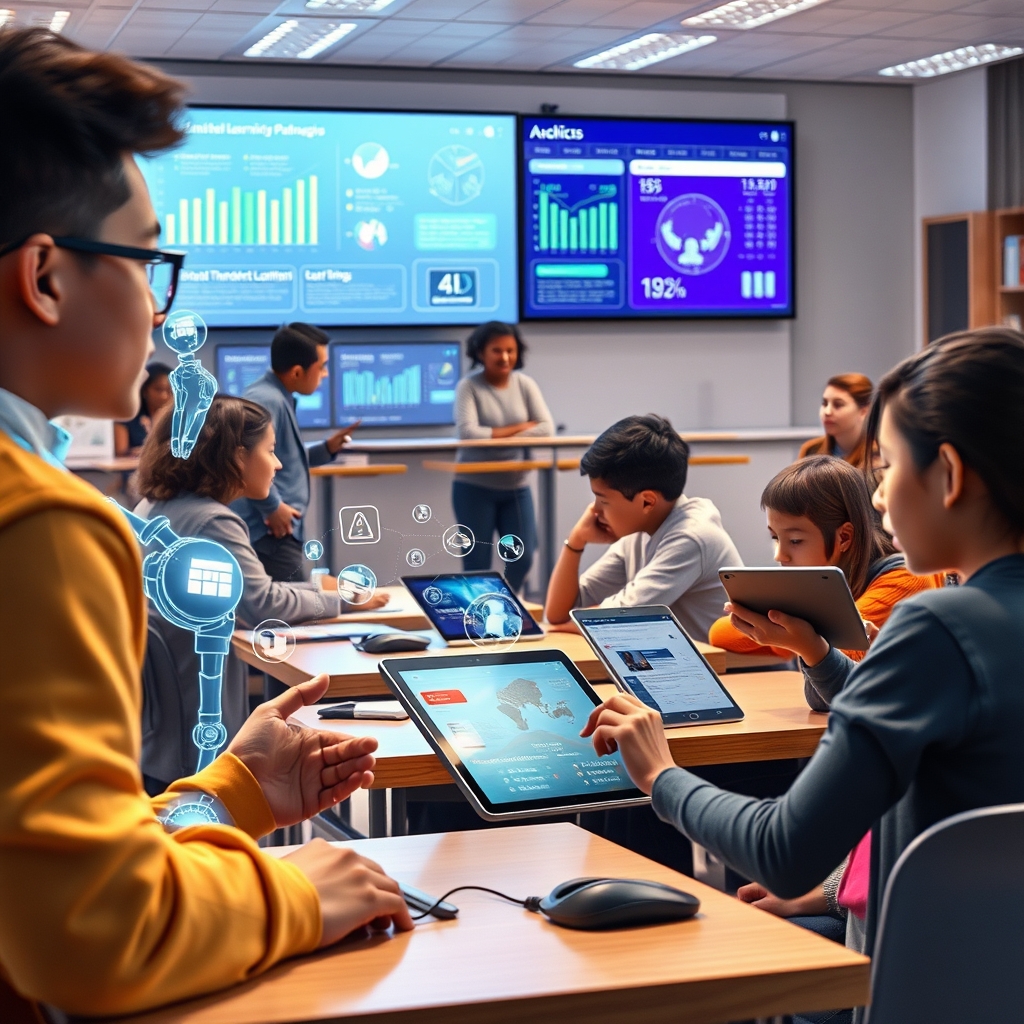
In an era where technology permeates every aspect of our lives, education stands at the precipice of a transformative shift. The integration of Artificial Intelligence (AI) with interactive pedagogies is not merely an evolution—it is a revolution that promises to redefine how knowledge is acquired, processed, and applied. As educators and learners navigate this dynamic landscape, the fusion of AI-driven tools and innovative teaching methodologies is unlocking unprecedented opportunities for engagement, personalization, and inclusivity.
The Rise of Interactive Pedagogies in the Digital Age
Interactive pedagogies have long been celebrated for their ability to foster active learning, critical thinking, and collaboration. Techniques such as project-based learning, flipped classrooms, and gamified environments encourage students to take ownership of their education, moving beyond passive absorption of information. However, the digital age has amplified the potential of these methodologies, enabling them to transcend traditional classroom boundaries. With the advent of AI, interactive pedagogies are no longer confined to physical spaces or limited by the constraints of human facilitation.
For instance, AI-powered platforms can simulate real-world scenarios, allowing students to engage in complex problem-solving exercises that mirror professional environments. These platforms adapt in real-time to a learner’s progress, offering hints, resources, or challenges tailored to their individual needs. Such dynamic interactions not only deepen understanding but also cultivate higher-order thinking skills, such as analysis, evaluation, and creativity, which are essential in today’s fast-paced world.
Personalization: The Heart of AI-Enhanced Learning
One of the most significant contributions of AI to education is its ability to personalize learning experiences. Traditional education models often adopt a one-size-fits-all approach, which can leave some students struggling to keep up while others are left unchallenged. AI-driven personalized learning systems, however, analyze vast amounts of data—from learning styles and preferences to performance metrics—to create customized pathways for each student. These systems ensure that learners receive the right level of support and challenge, maximizing their potential.
Adaptive tutoring platforms exemplify this shift. By leveraging machine learning algorithms, these platforms assess a student’s strengths and weaknesses, adjusting the difficulty and type of content in real-time. For example, a student excelling in mathematical concepts might be presented with advanced problem-solving tasks, while another struggling with foundational skills receives targeted interventions. This level of personalization not only enhances academic outcomes but also fosters a sense of confidence and motivation in learners.
The Role of Predictive Learning Analytics
Predictive learning analytics further enhance the personalization of education by forecasting a student’s future performance based on their current and past interactions with learning materials. These analytics can identify patterns that may indicate a risk of falling behind, allowing educators to intervene proactively. For instance, if a student consistently struggles with a particular concept, the system can recommend additional resources, peer collaboration opportunities, or even one-on-one sessions with an instructor.
Moreover, predictive analytics can inform curriculum design, helping educators identify which teaching methods are most effective for different groups of students. This data-driven approach ensures that instructional strategies are continuously refined to meet the evolving needs of learners, ultimately creating a more responsive and effective educational ecosystem.
Blended Learning: Bridging the Gap Between Tradition and Innovation
While AI and digital tools offer immense potential, the human element of education remains irreplaceable. Blended learning models strike a balance between technology and traditional teaching, combining the best of both worlds. In a blended classroom, students might engage with AI-driven content at home, freeing up in-person class time for collaborative projects, discussions, and hands-on activities led by educators.
This model not only enhances flexibility but also caters to diverse learning preferences. For example, visual learners can benefit from interactive simulations, while kinesthetic learners might engage in hands-on experiments during in-person sessions. By integrating AI with face-to-face instruction, blended learning models create a holistic educational experience that prepares students for the complexities of the modern world.
Inclusive Education Through Technology
Inclusivity is a cornerstone of modern education, and AI is playing a pivotal role in breaking down barriers for learners with diverse needs. Personalized learning systems can adapt content to accommodate different abilities, ensuring that all students, regardless of their background or challenges, have access to quality education. For instance, AI-powered tools can provide real-time transcription for students with hearing impairments, or offer text-to-speech functionality for those with visual impairments.
Furthermore, AI can help bridge language gaps by offering translation services or tailored language-learning support. These advancements ensure that education is not only accessible but also equitable, empowering every learner to thrive in an increasingly interconnected world.
The Future of Workforce Development
As the job market evolves, so too must the skills and competencies of the workforce. AI-driven education is not just about academic achievement—it is about preparing learners for the demands of the future. Microlearning, for example, delivers bite-sized, focused content that can be easily integrated into busy schedules, making it ideal for workforce upskilling. Coupled with digital microcredentials, learners can demonstrate their proficiency in specific skills, making them more competitive in the job market.
Gamified learning environments further enhance workforce development by making skill acquisition engaging and motivating. Through challenges, rewards, and leaderboards, learners are incentivized to master new competencies, whether it’s coding, project management, or data analysis. These environments not only make learning fun but also foster a growth mindset, encouraging continuous improvement and adaptability.
The fusion of AI and interactive pedagogies is not just reshaping education—it is reimagining what it means to learn. By harnessing the power of technology, educators can create dynamic, personalized, and inclusive learning experiences that empower students to reach their full potential. As we stand on the brink of this educational revolution, one thing is clear: the future of learning is not just about what we teach, but how we teach it. The tools and methodologies at our disposal today are merely the beginning, and the possibilities they unlock are limited only by our imagination and willingness to embrace change.



