
Bridging Gaps: How Personalized Learning Systems Are Redefining Inclusive Education Through AI
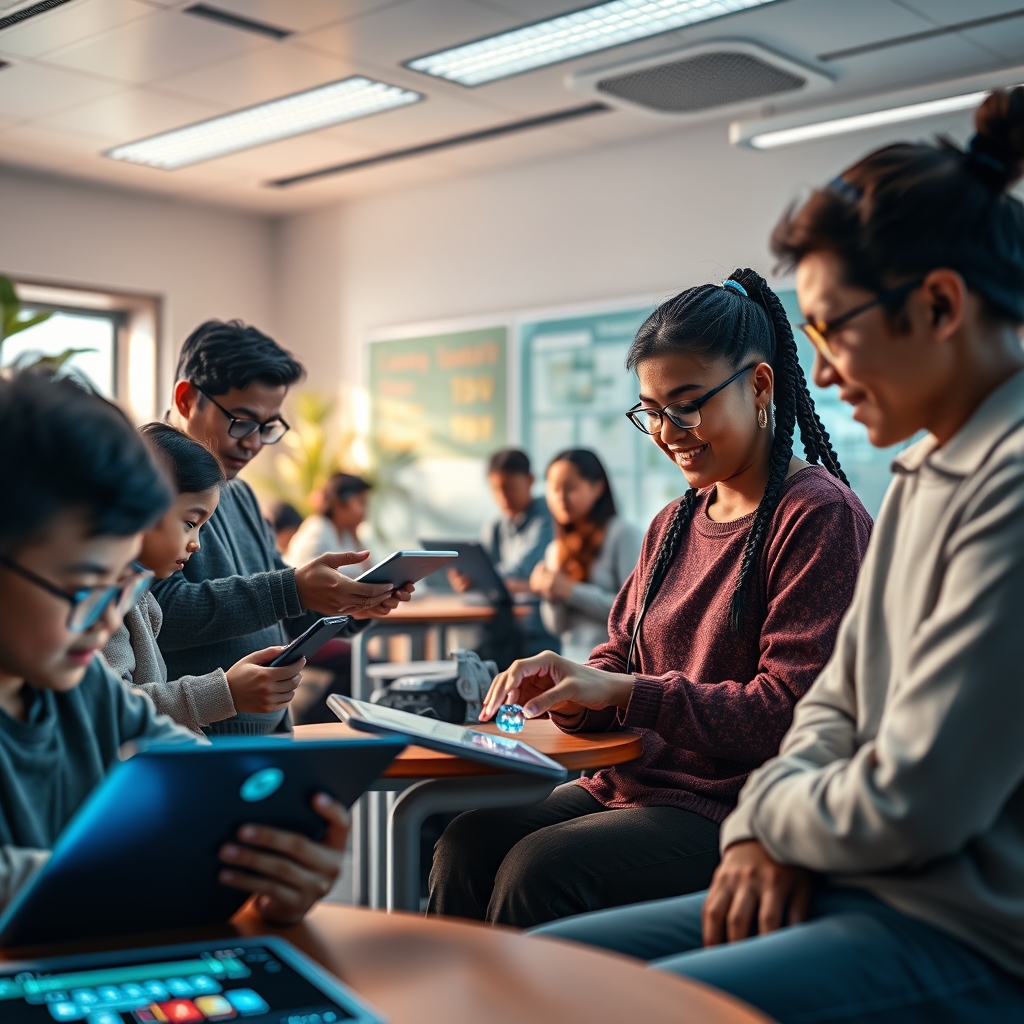
In the ever-evolving landscape of education, the integration of technology has become a cornerstone for fostering inclusivity and accessibility. Among the most transformative advancements is the rise of personalized learning systems, powered by artificial intelligence in education. These systems are not merely tools for efficiency; they are catalysts for equity, ensuring that every learner, regardless of background or ability, has the opportunity to thrive in a tailored educational environment. By leveraging adaptive algorithms and data-driven insights, educators can now address the unique needs of each student, breaking down barriers that have long hindered progress in traditional classrooms.
The Foundation of Personalized Learning
At its core, personalized learning is an educational approach that customizes instruction to meet the individual needs, preferences, and pace of each learner. Unlike the one-size-fits-all model of conventional education, personalized learning systems utilize adaptive tutoring platforms to dynamically adjust content, difficulty, and feedback in real time. This shift is made possible through the integration of predictive learning analytics, which analyze student performance data to identify strengths, weaknesses, and learning patterns. The result is a learning experience that evolves alongside the student, fostering deeper engagement and improved outcomes.
For example, platforms like Khan Academy and DreamBox employ AI-driven algorithms to assess a student’s proficiency in a subject and deliver targeted exercises that reinforce understanding. These systems can detect when a learner is struggling with a concept and provide additional resources, such as videos, interactive simulations, or step-by-step guidance, to clarify misunderstandings. This level of customization ensures that no student is left behind, a principle that lies at the heart of inclusive education.
The Role of AI in Fostering Inclusivity
Inclusivity in education extends beyond physical accessibility; it encompasses the creation of environments where diverse learners—including those with disabilities, language barriers, or varying cognitive abilities—can succeed. AI-powered personalized learning systems play a pivotal role in this mission by offering features such as speech-to-text transcription, real-time language translation, and adaptive interfaces that cater to different learning styles. For instance, students with dyslexia can benefit from text-to-speech tools that read aloud digital content, while non-native speakers can receive instant translations of complex terminology.
Moreover, AI-driven platforms can support blended learning models by seamlessly integrating online and offline instruction. This hybrid approach allows students to learn at their own pace while still benefiting from face-to-face interactions with teachers and peers. For educators, AI tools provide actionable insights into student progress, enabling them to intervene early when a learner is at risk of falling behind. This proactive approach not only enhances academic performance but also builds confidence and self-efficacy among students who may have previously felt marginalized in traditional settings.
Breaking Down Barriers with Technology Literacy
While the benefits of AI in education are vast, the successful implementation of personalized learning systems hinges on technology literacy among both educators and students. Teachers must be equipped with the skills to navigate and leverage these tools effectively, while students need to develop digital fluency to engage with AI-driven platforms confidently. Professional development programs and workshops can bridge this gap, ensuring that educators are not only comfortable with the technology but also adept at integrating it into their pedagogical strategies.
For students, technology literacy goes beyond basic computer skills. It involves understanding how to critically evaluate digital content, protect their privacy online, and use technology as a tool for collaboration and creativity. Schools can foster these skills through project-based learning initiatives that encourage students to explore real-world problems using digital tools. By doing so, learners develop higher-order thinking skills, such as problem-solving, critical analysis, and innovation, which are essential for success in the 21st-century workforce.
The Future of Workforce Development
The impact of personalized learning systems extends beyond the classroom, shaping the future of workforce development and workforce upskilling. As industries evolve and new technologies emerge, the demand for adaptable, lifelong learners has never been greater. AI-driven education platforms can play a crucial role in preparing students for this dynamic landscape by offering microlearning modules and digital microcredentials that validate specific skills and competencies. These bite-sized learning opportunities allow individuals to acquire new knowledge quickly and efficiently, making it easier to pivot careers or upskill in response to changing job markets.
For example, platforms like Coursera and Udacity use AI to recommend courses based on a learner’s career goals and prior experience. This personalized approach ensures that individuals can focus on acquiring the skills most relevant to their aspirations, whether they are entering the workforce for the first time or seeking to advance in their current roles. Additionally, gamified learning environments can make upskilling more engaging by incorporating elements of competition, rewards, and interactive challenges. This not only enhances motivation but also reinforces retention and application of knowledge.
Ethical Considerations and the Path Forward
As with any technological advancement, the integration of AI in education raises important ethical considerations. Issues such as data privacy, algorithmic bias, and the digital divide must be addressed to ensure that personalized learning systems are equitable and accessible to all. Educators, policymakers, and technology developers must collaborate to establish guidelines that protect student data and promote transparency in how AI-driven decisions are made. Additionally, efforts must be made to ensure that these systems are accessible to underserved communities, bridging the gap between those with and without access to technology.
The potential of AI to transform education is undeniable, but its success depends on a collective commitment to inclusivity, equity, and ethical innovation. By embracing personalized learning systems, we can create educational experiences that not only meet the diverse needs of learners but also empower them to reach their full potential. As we look to the future, the fusion of AI and education holds the promise of a more inclusive, adaptive, and dynamic learning landscape, where every student has the tools and opportunities to succeed.
The journey toward redefining education through AI is not without its challenges, but the rewards—equitable access, personalized growth, and lifelong learning—are well worth the effort. In this rapidly changing world, the ability to adapt and evolve is paramount, and AI-powered education is paving the way for a future where learning knows no boundaries.



