
Empowering Minds: The Synergy of Project-Based Learning and Artificial Intelligence in Modern Education
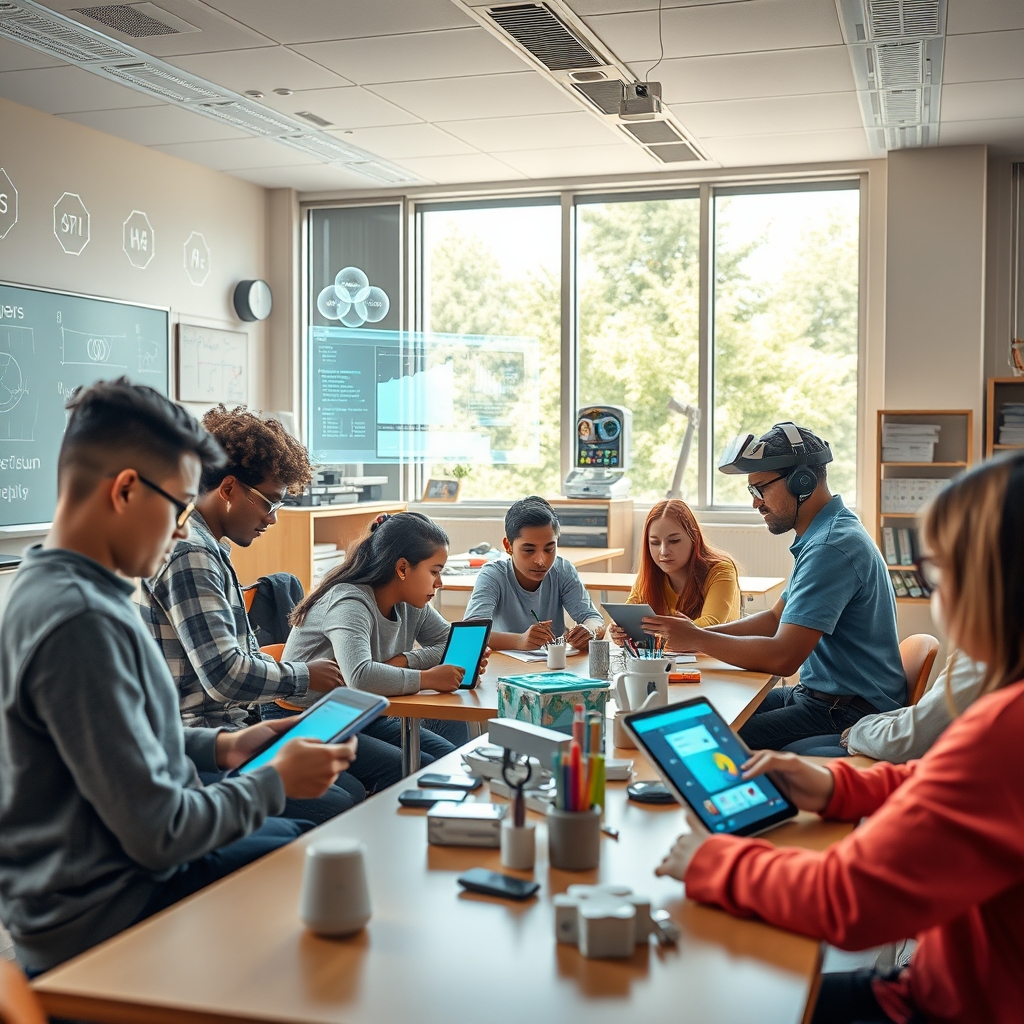
The landscape of education is undergoing a profound transformation, driven by the integration of advanced technologies and innovative pedagogical approaches. Among these, the fusion of Project-Based Learning (PBL) and Artificial Intelligence (AI) stands out as a powerful catalyst for fostering deeper engagement, critical thinking, and real-world problem-solving skills. This dynamic duo is not just reshaping how students learn but also redefining the role of educators in the digital age.
The Evolution of Project-Based Learning
Project-Based Learning is not a new concept, but its potential has been amplified by the digital revolution. Traditionally, PBL involved students working on extended projects that required them to explore real-world challenges, collaborate with peers, and develop solutions through inquiry and creativity. However, the advent of Educational Technology Integration has elevated PBL to new heights, making it more interactive, scalable, and adaptable to diverse learning needs.
In modern classrooms, PBL is no longer confined to physical spaces or limited by resources. Digital tools such as cloud-based collaboration platforms, virtual labs, and multimedia resources enable students to tackle complex problems with greater autonomy and flexibility. For instance, a group of students working on a sustainability project can now leverage online simulations, data analytics tools, and global databases to gather insights, test hypotheses, and present their findings in innovative ways. This shift not only enhances the learning experience but also prepares students for the demands of a technology-driven workforce.
The Role of AI in Enhancing PBL
Artificial Intelligence is playing a pivotal role in refining and personalizing the PBL experience. One of the most significant contributions of AI is its ability to create Personalized Learning Systems that adapt to individual student needs. Through Predictive Learning Analytics, AI can analyze student performance, identify knowledge gaps, and recommend tailored resources or activities to address those gaps. This ensures that every student receives the support they need to succeed, regardless of their starting point.
Moreover, AI-powered Adaptive Tutoring Platforms can provide real-time feedback and guidance, acting as virtual mentors that complement the role of human educators. For example, an AI tutor can assist students in refining their project proposals, suggest relevant research materials, or even simulate peer reviews to help them iterate on their ideas. This level of support not only boosts student confidence but also fosters a growth mindset, where challenges are viewed as opportunities for learning and improvement.
Fostering Higher-Order Thinking Skills
One of the core objectives of PBL is to cultivate Higher-Order Thinking Skills (HOTS), such as critical analysis, creativity, and problem-solving. AI enhances this process by providing students with tools that encourage exploration and experimentation. For instance, AI-driven data visualization tools can help students interpret complex datasets, while natural language processing (NLP) applications can assist them in crafting persuasive arguments or refining their written work.
Additionally, AI can facilitate Interactive Pedagogies by enabling immersive learning experiences. Virtual reality (VR) and augmented reality (AR) platforms, powered by AI, can transport students to historical events, scientific phenomena, or even fictional scenarios, allowing them to engage with content in a hands-on manner. These Immersive Learning Environments not only make learning more engaging but also deepen students’ understanding by connecting abstract concepts to tangible experiences.
Bridging Gaps with Inclusive Education
The integration of AI and PBL also holds immense promise for Inclusive Education. AI-driven tools can break down barriers for students with diverse learning needs by providing customized support. For example, text-to-speech applications can assist students with reading difficulties, while AI-powered translation tools can make content accessible to non-native speakers. This ensures that all students, regardless of their abilities or backgrounds, can participate fully in PBL activities and benefit from its transformative potential.
Furthermore, AI can help educators design projects that are culturally responsive and relevant to students’ lived experiences. By analyzing data on student interests, community issues, and global trends, AI can suggest project topics that resonate with learners, making the educational experience more meaningful and motivating. This approach not only fosters a sense of belonging but also encourages students to see themselves as active contributors to their communities and the world at large.
The Future of Workforce Development
As the job market continues to evolve, the skills required for success are shifting from rote memorization to adaptability, collaboration, and innovation. PBL, enhanced by AI, is uniquely positioned to equip students with these Workforce Development skills. By engaging in projects that mirror real-world challenges, students develop the ability to think critically, work in teams, and communicate effectively—skills that are highly valued in today’s economy.
Moreover, the rise of Digital Microcredentials and Workforce Upskilling initiatives is creating new opportunities for learners to showcase their competencies. AI can play a key role in this process by assessing student performance, validating skills, and recommending pathways for further development. For example, an AI system could analyze a student’s project portfolio and suggest relevant micro-credentials or courses to help them advance their career goals. This seamless integration of learning and professional development ensures that education remains a lifelong journey.
Challenges and Considerations
While the synergy of PBL and AI offers tremendous potential, it is not without its challenges. One of the primary concerns is ensuring equitable access to technology. Not all students have the same level of access to digital tools, and this digital divide can exacerbate existing inequalities. Educators and policymakers must work together to bridge this gap by investing in infrastructure, providing training, and fostering partnerships with technology providers.
Another consideration is the ethical use of AI in education. As AI systems become more integrated into learning environments, it is crucial to address issues such as data privacy, algorithmic bias, and transparency. Educators must be equipped with the knowledge and skills to navigate these challenges and ensure that AI is used responsibly and ethically.
The fusion of Project-Based Learning and Artificial Intelligence is not just a trend but a fundamental shift in how we approach education. By leveraging the strengths of both, we can create learning experiences that are engaging, inclusive, and aligned with the demands of the 21st century. As students embark on projects that challenge their thinking, inspire their creativity, and connect them to the world around them, they are not just preparing for the future—they are shaping it. The journey of learning becomes a dynamic and empowering process, where every student has the opportunity to thrive and make a meaningful impact.



