
The Silent Revolution: How Digital Microcredentials and AI Are Reshaping Workforce Development
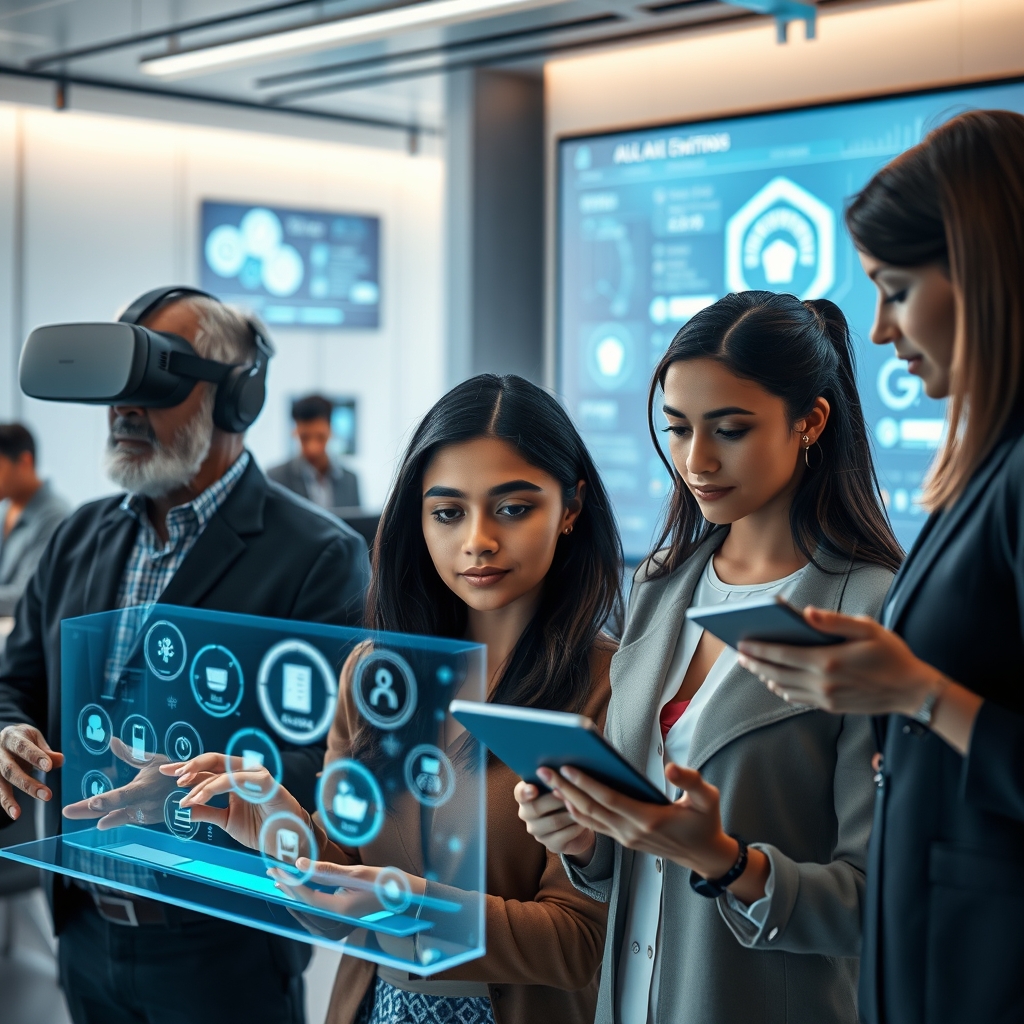
In an era where the shelf life of skills is shorter than ever, the traditional model of education—once a one-time investment for a lifelong career—is undergoing a seismic shift. The rise of artificial intelligence (AI) and digital microcredentials is not just transforming how we learn but redefining what it means to be prepared for the workforce. This silent revolution is democratizing access to education, breaking down barriers, and creating a dynamic ecosystem where learning is continuous, personalized, and deeply integrated into the fabric of professional life.
The Death of the Degree Monopoly
For decades, a college degree was the golden ticket to career success, a universally recognized symbol of expertise and commitment. However, as industries evolve at breakneck speed, the value of a four-year degree is being questioned. Employers are no longer just looking for degrees; they’re seeking proof of specific, up-to-date skills. Enter digital microcredentials—compact, verifiable certifications that validate mastery in niche areas, from data analysis to project management. These credentials are not just supplements to traditional education; they are becoming the new currency of the job market.
AI is amplifying this shift by enabling platforms to offer microcredentials that are not only accessible but also adaptive. Machine learning algorithms analyze a learner’s progress in real-time, identifying gaps and recommending targeted courses to bridge them. This creates a feedback loop where learners can continuously upskill, earning credentials that are always aligned with the latest industry demands. The result? A workforce that is agile, resilient, and perpetually prepared for the next disruption.
The Power of Personalization in Workforce Upskilling
One-size-fits-all education is a relic of the past. Today, AI-driven personalized learning systems are tailoring educational experiences to the unique needs of each learner. These systems leverage data from a variety of sources—past performance, career goals, learning styles—to curate pathways that maximize engagement and retention. For example, an employee looking to transition into a tech role might receive a curated sequence of microcredentials in coding, cloud computing, and cybersecurity, with AI adjusting the difficulty and pace based on their progress.
This level of personalization extends beyond individual learners. Companies are increasingly adopting AI-powered learning management systems (LMS) to upskill their workforce at scale. These platforms can identify skill gaps across entire teams, recommend relevant microcredentials, and even predict future training needs based on industry trends. The outcome is a workforce that is not only skilled but also aligned with the strategic goals of the organization.
Blended Learning: The Best of Both Worlds
While digital microcredentials and AI are powerful tools, they are most effective when integrated into a blended learning model. Blended learning combines the flexibility of online education with the engagement of in-person instruction, creating a hybrid experience that caters to diverse learning preferences. For instance, a microcredential in digital marketing might include self-paced online modules on SEO and social media strategy, complemented by live workshops where learners apply their knowledge to real-world projects.
AI enhances blended learning by acting as a bridge between the digital and physical realms. Virtual tutors powered by natural language processing (NLP) can provide instant feedback on assignments, while AI-driven analytics track participation and performance across both online and offline components. This holistic approach ensures that learners are not just passive recipients of information but active participants in their educational journey.
The Role of Gamification in Sustaining Engagement
Let’s face it: upskilling can be daunting. The sheer volume of information, coupled with the pressure to stay relevant, can lead to burnout and disengagement. This is where gamified learning environments come into play. By incorporating elements of game design—such as points, badges, leaderboards, and challenges—into educational platforms, gamification transforms learning into an engaging, motivating experience.
AI takes gamification to the next level by personalizing the gaming experience. For example, an AI system might adjust the difficulty of a challenge based on a learner’s performance or reward them with a badge for mastering a particularly tough concept. This not only keeps learners motivated but also reinforces their sense of achievement. Companies like Duolingo and Coursera have already demonstrated the power of gamification in driving completion rates and long-term engagement, proving that learning doesn’t have to be a chore.
From Credentials to Career Trajectories
Digital microcredentials are more than just badges of honor; they are stepping stones to new career opportunities. Platforms like LinkedIn and Credly are integrating microcredentials into professional profiles, making it easier for employers to identify candidates with the exact skills they need. AI further enhances this process by matching learners with job opportunities based on their credential portfolio, creating a seamless pathway from education to employment.
Moreover, microcredentials are fostering a culture of lifelong learning. In a world where job roles are constantly evolving, the ability to quickly acquire and demonstrate new skills is invaluable. Workers are no longer tethered to a single career path; instead, they can pivot and adapt, using microcredentials as their compass. This shift is not just empowering individuals but also addressing the skills gap that plagues industries worldwide.
The intersection of AI and digital microcredentials is not just reshaping workforce development; it is reimagining the very concept of education. No longer confined to classrooms or limited by time, learning has become a fluid, lifelong pursuit. As AI continues to evolve, so too will the ways we acquire and apply knowledge, ensuring that the workforce of the future is not just prepared for change but thrives in it. The silent revolution is here, and its impact will be felt for generations to come, as education becomes more accessible, personalized, and deeply intertwined with the rhythm of professional life.