
The Quiet Magic of Adaptive Study Spaces: How Small Changes Create Big Comfort in Learning
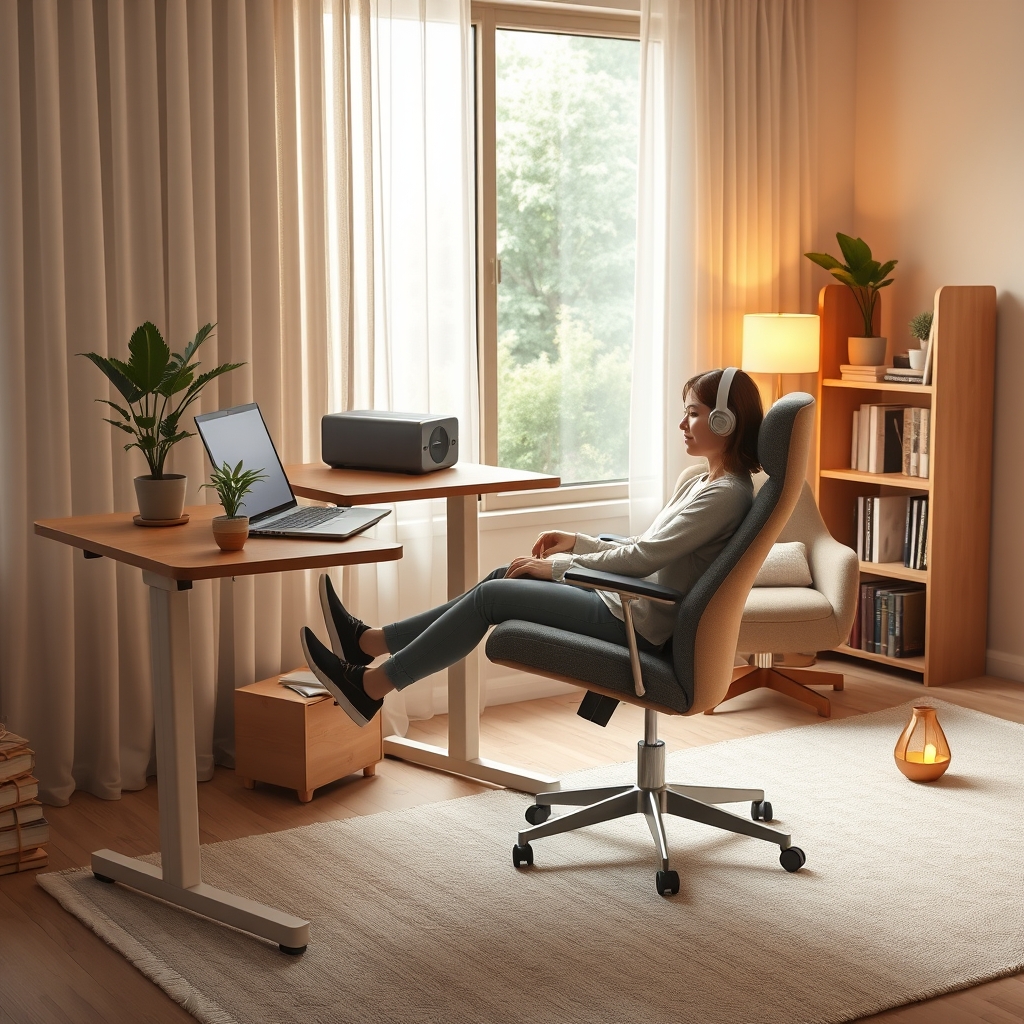
In a world where education increasingly blends the digital with the physical, the spaces we choose to learn in have become more important than ever. The traditional rigid desk and chair setup is giving way to something far more intuitive—spaces that adapt to the learner, rather than forcing the learner to adapt to them. This shift isn’t just about aesthetics; it’s about recognizing that comfort and flexibility are not luxuries, but essential components of effective learning. When students feel at ease in their environment, their minds are free to explore, absorb, and create without the constant distraction of discomfort or stress.
The Philosophy Behind Adaptive Learning Spaces
Adaptive study spaces are built on the principle that learning is not a one-size-fits-all experience. Just as every student has a unique way of processing information, their physical environment should reflect and support that individuality. This philosophy challenges the conventional classroom setup, where uniformity often takes precedence over personal comfort. Instead, adaptive spaces prioritize flexibility, allowing students to adjust their surroundings to suit their needs—whether that means standing, lounging, or sitting cross-legged on the floor.
The benefits of this approach extend beyond physical comfort. Research has shown that environments that align with personal preferences can significantly reduce stress and anxiety, which are common barriers to effective learning. When students are not preoccupied with discomfort or the pressure to conform to a rigid setup, they can direct their energy toward deeper engagement with their studies. This is particularly important in an era where mental health and academic performance are increasingly interconnected.
Designing for the Senses: More Than Just a Chair and Desk
Creating an adaptive study space goes beyond selecting the right furniture. It involves a thoughtful consideration of all the senses, ensuring that the environment is not only comfortable but also conducive to focus and creativity. Lighting, for instance, plays a crucial role. Natural light is ideal, but when that’s not available, warm, adjustable lighting can mimic the calming effects of sunlight. Harsh, fluorescent lighting, on the other hand, can lead to eye strain and fatigue, making it harder to concentrate for extended periods.
Sound is another often-overlooked factor. While complete silence works for some, others thrive in environments with soft background noise or music. Adaptive spaces might include noise-canceling headphones, white noise machines, or even designated quiet zones where students can retreat when they need to focus. The key is to offer options, allowing students to tailor their environment to their sensory preferences.
Texture and temperature also play a role in creating a comfortable learning space. Soft, breathable fabrics for seating, rugs that provide warmth underfoot, and the ability to control the temperature can make a significant difference in how long a student can comfortably engage with their work. Even the scent of a space can influence mood and concentration—subtle aromas like lavender or citrus can create a more inviting atmosphere.
The Role of Flexibility in Modern Learning
Flexibility is at the heart of adaptive study spaces, and it’s a concept that has gained even more relevance with the rise of hybrid and online learning. Students today often switch between in-person and virtual environments, and their study spaces need to accommodate this fluidity. A flexible setup might include a desk that can be easily adjusted for height, a chair that supports different postures, or even modular furniture that can be rearranged to suit different tasks—whether it’s collaborative group work or solitary study.
This flexibility also extends to the tools and resources available in the space. For example, a student might need a second monitor for coding, a tablet for digital note-taking, or a whiteboard for brainstorming. An adaptive space is one that can evolve with the student’s changing needs, rather than forcing them to work within a static setup. This adaptability is particularly valuable for students with diverse learning needs, such as those with ADHD or sensory processing disorders, who may require different environmental conditions to thrive.
Mindful Routines in Adaptive Spaces
An adaptive study space is not just about the physical environment; it’s also about how that environment supports mindful study routines. Mindfulness in learning involves being fully present and engaged with the material, and the right space can make this easier to achieve. For instance, a clutter-free desk with only the essentials can help reduce mental clutter, while a comfortable chair can encourage longer, more focused study sessions without the distraction of physical discomfort.
Incorporating mindfulness practices into the study routine can further enhance the benefits of an adaptive space. Simple techniques like deep breathing before starting a study session, taking short breaks to stretch or walk, or even practicing gratitude by reflecting on what was learned can help students stay grounded and reduce stress. These practices are especially effective when the physical space supports them—whether through a cozy corner for meditation, a standing desk for movement, or a window with a view for moments of reflection.
Bringing Adaptive Spaces into Everyday Life
Creating an adaptive study space doesn’t require a complete overhaul of your environment. Small, intentional changes can make a big difference. Start by assessing what aspects of your current setup cause discomfort or distraction. Is your chair too hard? Is the lighting too harsh? Are there too many visual distractions? Addressing these pain points one by one can transform an ordinary study space into one that feels truly supportive.
For those who study at home, this might mean designating a specific area that is solely for learning, free from the distractions of household activities. For students in shared spaces, like dorms or libraries, it might involve using portable tools like lap desks, noise-canceling headphones, or even a favorite blanket to create a sense of personal comfort. The goal is to create a space that feels like a sanctuary—a place where learning can happen without unnecessary stress or discomfort.
Technology can also play a role in enhancing adaptability. Ergonomic accessories like adjustable laptop stands, wireless keyboards, or blue light filters can make a significant difference in comfort, especially during long study sessions. Apps that help manage time, block distractions, or guide mindfulness exercises can further support a positive and productive study routine. The key is to use technology as a tool to enhance comfort and focus, rather than as a source of additional stress.
As education continues to evolve, so too must the spaces where learning happens. Adaptive study spaces represent a shift toward a more human-centered approach to education—one that recognizes the importance of comfort, flexibility, and mindfulness in fostering deep and meaningful learning. By creating environments that adapt to the needs of the learner, we can help students not only achieve academic success but also cultivate a lifelong love of learning. The magic of these spaces lies in their ability to make learning feel less like a chore and more like a natural, enjoyable part of life, where every small adjustment brings the student one step closer to their full potential.