
Creating a Sensory-Friendly Study Space: A Holistic Approach to Student Wellness
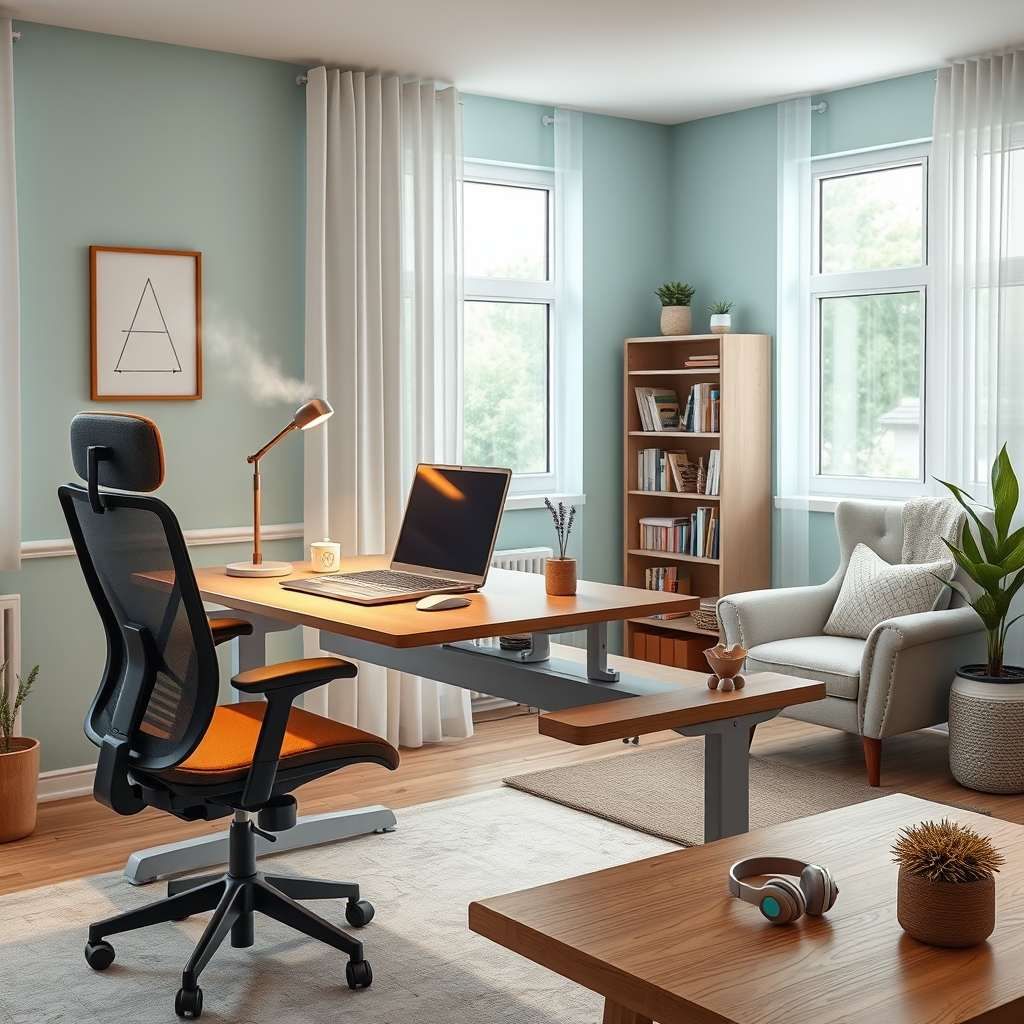
In today’s fast-paced academic world, students often find themselves juggling multiple responsibilities, from attending online classes to completing assignments and preparing for exams. The environment in which they study plays a crucial role in their ability to focus, retain information, and maintain overall well-being. A sensory-friendly study space is not just about aesthetics; it’s about creating a holistic environment that caters to individual needs, reduces stress, and enhances productivity. By thoughtfully designing a space that aligns with sensory preferences, students can transform their learning experience into one that is comfortable, engaging, and sustainable.
The Foundations of a Sensory-Friendly Study Space
A sensory-friendly study space is designed to minimize distractions and overload while maximizing comfort and focus. This concept is rooted in understanding how different sensory inputs—such as light, sound, texture, and even scent—affect concentration and mood. For instance, some students may thrive in a brightly lit room with soft background music, while others might need dim lighting and complete silence to concentrate. The key is to tailor the space to individual sensory needs, ensuring it becomes a sanctuary for learning rather than a source of frustration.
Start by assessing the sensory elements in your study area. Is the lighting too harsh or too dim? Are there distracting noises, like traffic or household chatter, that disrupt your focus? Does the furniture cause discomfort after long periods of use? Addressing these questions can help you identify areas for improvement. For example, adjustable lighting, such as a desk lamp with warm or cool settings, can reduce eye strain, while noise-canceling headphones or white noise machines can create a more peaceful auditory environment.
Ergonomics: The Backbone of Comfort
Ergonomics is a critical component of any sensory-friendly study space. Poor posture and uncomfortable seating can lead to physical discomfort, which in turn affects mental focus and productivity. Investing in ergonomic furniture, such as an adjustable chair with lumbar support or a standing desk, can make a significant difference in long-term comfort. The goal is to create a setup that allows for natural movement and reduces the risk of strain or injury.
When selecting furniture, consider the following ergonomic principles:
- Chair Height: Your feet should rest flat on the floor, with your knees at a 90-degree angle. If your feet don’t reach the ground, use a footrest.
- Desk Height: Your desk should be at a height where your elbows can rest comfortably at a 90-degree angle while typing or writing.
- Monitor Position: The top of your computer screen should be at or slightly below eye level to prevent neck strain. If you use a laptop, consider using a stand or external keyboard to achieve the correct height.
- Wrist Support: Use a wrist rest for your keyboard and mouse to maintain a neutral wrist position and reduce the risk of repetitive strain injuries.
Incorporating these ergonomic adjustments can help prevent physical discomfort, allowing you to focus on your studies without the distraction of aches and pains.
Flexibility and Adaptability in Learning Environments
One of the hallmarks of a sensory-friendly study space is flexibility. Students’ needs can change depending on the task at hand, their mood, or even the time of day. A rigid setup that doesn’t accommodate these fluctuations can hinder productivity and increase stress. Instead, aim to create a space that can adapt to different learning styles and preferences.
For example, some students may prefer to study in complete silence, while others might find background noise or music helpful. A flexible study space could include options for both, such as a quiet corner with noise-canceling headphones or a cozy nook with soft instrumental music playing in the background. Similarly, the ability to switch between sitting and standing can help maintain energy levels and reduce fatigue during long study sessions.
Another way to enhance flexibility is by incorporating modular furniture. Items like foldable desks, movable shelves, or modular seating can be rearranged to suit different activities, whether it’s solo studying, group work, or relaxation. This adaptability ensures that the study space remains functional and inviting, no matter how your needs evolve.
Mindful Study Routines: Balancing Productivity and Well-Being
A sensory-friendly study space is only as effective as the routines that accompany it. Mindful study practices can help students maintain a balanced academic life, reducing stress and preventing burnout. These practices involve being intentional about how you study, taking regular breaks, and incorporating activities that promote relaxation and mental clarity.
One effective mindful study technique is the Pomodoro Method, which involves studying for 25 minutes followed by a 5-minute break. This approach helps maintain focus while preventing mental fatigue. During breaks, engage in activities that relax your mind and body, such as stretching, deep breathing, or taking a short walk. These moments of respite can recharge your energy and improve overall productivity.
Incorporating mindfulness into your study routine can also enhance your ability to retain information. Techniques like meditation or journaling can help clear mental clutter, allowing you to approach your studies with a fresh perspective. Even a few minutes of mindfulness practice before a study session can make a significant difference in your ability to concentrate and absorb material.
The Role of Sensory Inputs in Learning
Sensory inputs play a significant role in how we process and retain information. For example, some students are visual learners who benefit from color-coded notes, diagrams, or flashcards. Others may be auditory learners who retain information better through listening or discussing concepts aloud. A sensory-friendly study space should cater to these preferences by providing tools and resources that align with individual learning styles.
Consider incorporating sensory-friendly elements like:
- Visual: Use soft, warm lighting to reduce eye strain, and incorporate colors that promote focus, such as blues and greens. Avoid clutter, as a tidy space can help clear your mind.
- Auditory: If you’re an auditory learner, use apps or playlists that provide background noise or instrumental music. Noise-canceling headphones can also help block out distractions.
- Tactile: For kinesthetic learners, incorporate tools like fidget toys, textured surfaces, or even a stress ball to keep your hands busy while studying.
- Olfactory: Scents like lavender, peppermint, or citrus can enhance focus and relaxation. Use essential oil diffusers or scented candles to create a calming atmosphere.
By tailoring your study space to your sensory preferences, you can create an environment that not only supports your learning style but also makes studying a more enjoyable and effective experience.
Designing a sensory-friendly study space is about more than just creating a comfortable place to work—it’s about fostering an environment that nurtures both academic success and personal well-being. By paying attention to ergonomics, flexibility, and mindful study practices, students can transform their study spaces into havens of productivity and relaxation. The result is a balanced academic life where learning feels less like a chore and more like a rewarding journey. As you experiment with different elements and routines, you’ll discover what works best for you, allowing you to study smarter, not harder, and ultimately thrive in your educational pursuits.