
The Art of Balancing Comfort and Focus: Crafting Adaptive Study Spaces for Modern Learners
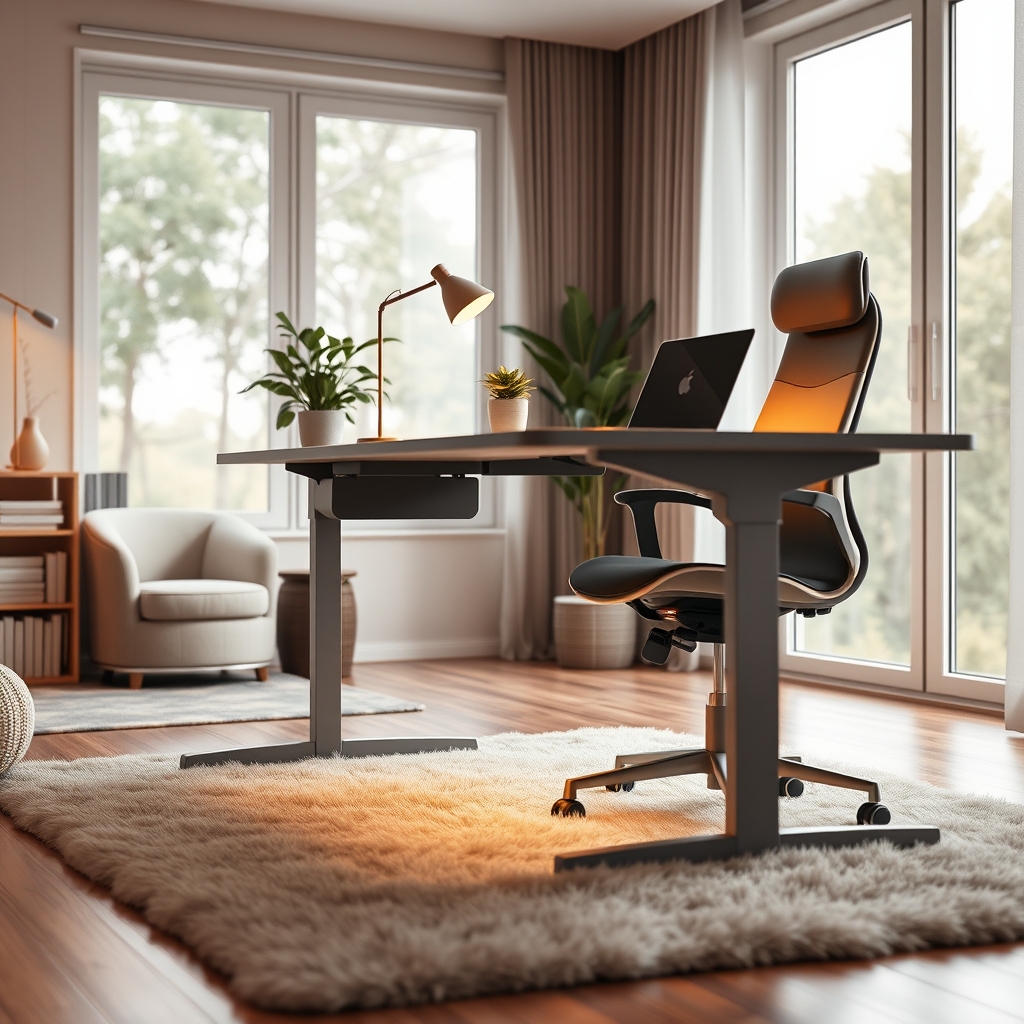
In today’s fast-paced academic world, the line between comfort and productivity often blurs. Students juggling hybrid learning, online classes, and traditional study sessions need spaces that adapt to their evolving needs—without sacrificing focus or well-being. The key lies in creating environments that are as flexible as they are cozy, where ergonomic design meets mindful study practices. But how do you strike that perfect balance?
The Foundation: Ergonomics Meets Comfort
An ergonomic study space isn’t just about avoiding back pain—it’s about designing a setup that supports both physical health and mental clarity. Start with the basics: a chair that encourages good posture, a desk at the right height, and proper lighting to reduce eye strain. But don’t stop there. Consider adjustable furniture that grows with you, like standing desks or modular seating, to keep your body engaged without discomfort. The goal is to create a space where you can study for hours without feeling drained, where comfort doesn’t come at the cost of focus.
Lighting: The Unsung Hero of Study Spaces
Poor lighting is a silent productivity killer. Harsh overhead lights can cause headaches, while dim lighting strains your eyes and makes it harder to concentrate. Natural light is ideal, but if that’s not an option, invest in warm, adjustable LED lights that mimic daylight. A small desk lamp with a soft glow can also create a cozy atmosphere, reducing stress while keeping your mind sharp. The right lighting doesn’t just illuminate your workspace—it sets the tone for a relaxed yet productive study session.
Flexibility: The Secret to Sustained Focus
Gone are the days of rigid study schedules and one-size-fits-all classrooms. Modern learners thrive in flexible environments that adapt to their needs. This could mean a study space that transitions from a solo workstation to a collaborative hub, or a schedule that allows for breaks when energy dips. Flexible learning isn’t just about convenience—it’s about recognizing that focus isn’t static. Some days, you’ll need complete silence; other days, background music or ambient noise might help. The best study spaces accommodate these shifts, allowing you to tailor your environment to your mood and workload.
Sensory-Friendly Design: Minimizing Distractions, Maximizing Calm
A cluttered space leads to a cluttered mind. Sensory-friendly study spaces prioritize simplicity, using neutral colors, minimalist decor, and organized storage to reduce visual noise. Soft textures—like a plush rug or a cozy throw blanket—can add warmth without overwhelming the senses. For those who are easily distracted by sound, noise-canceling headphones or white noise machines can create a bubble of focus. The idea is to design a space that feels inviting but not overstimulating, where every element serves a purpose, whether it’s comfort, functionality, or aesthetics.
Mindful Study Routines: The Human Element
Even the most perfectly designed study space won’t help if your habits aren’t aligned with your goals. Mindful study routines—like the Pomodoro Technique or time-blocking—can help you stay on track without burning out. Pair these with wellness practices, such as short meditation breaks or stretching exercises, to keep your mind and body in sync. The best study spaces aren’t just about the physical environment; they’re about creating a rhythm that supports sustained focus and well-being. When your space and habits work together, studying becomes less of a chore and more of a natural, even enjoyable, part of your day.
Hybrid Learning: Bridging the Gap Between Home and Classroom
For students navigating hybrid learning, the challenge is creating a space that feels as conducive to focus at home as it does in the classroom. This means investing in reliable technology, like a good webcam and microphone, and setting up a dedicated study area that signals to your brain it’s time to work. But it’s also about creating a sense of continuity—bringing elements of the classroom into your home, whether it’s a whiteboard for brainstorming or a plant that adds a touch of nature. The goal is to make your home study space feel like an extension of your learning environment, not a poor substitute.
At the heart of it all is the understanding that comfort and focus aren’t opposing forces—they’re partners in creating a sustainable, enjoyable learning experience. The spaces we study in should reflect that, blending ergonomic design with flexibility, sensory awareness, and mindful habits. When done right, a study space doesn’t just help you get through your work; it makes the process of learning feel natural, even rewarding. And in a world where education is constantly evolving, that’s a foundation worth building.



