
From Data to Dialogue: How Predictive Learning Analytics and Social Media Are Crafting the Next Generation of Interactive Pedagogies
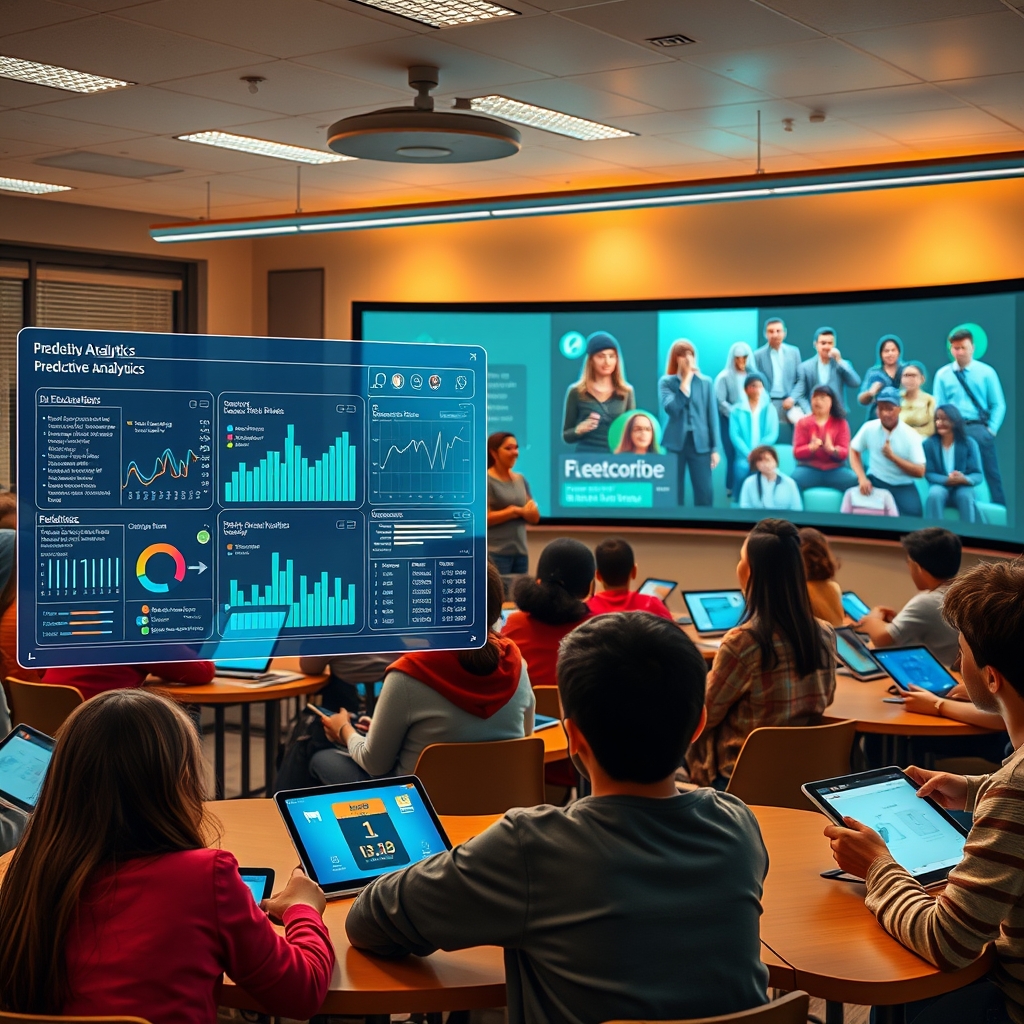
In the ever-evolving landscape of education, the fusion of technology and pedagogy has given rise to innovative approaches that are reshaping how knowledge is acquired, shared, and applied. Among these advancements, predictive learning analytics and social media learning stand out as transformative forces, bridging the gap between raw data and meaningful human interaction. Together, they are redefining interactive pedagogies, making education more dynamic, responsive, and engaging than ever before.
The Power of Predictive Learning Analytics
Predictive learning analytics leverages artificial intelligence and machine learning to analyze vast amounts of educational data, uncovering patterns that can forecast student performance, engagement, and learning outcomes. By processing data from sources such as assessments, attendance records, and digital interactions, these systems can identify at-risk students, recommend personalized interventions, and even predict future learning trajectories. For educators, this means moving beyond reactive teaching to a proactive model where challenges are addressed before they escalate.
For example, platforms like Coursera and Khan Academy use predictive analytics to tailor content delivery based on individual learning paces. If a student struggles with a particular concept, the system can automatically adjust the difficulty level or suggest supplementary resources. This level of personalization ensures that learners remain engaged and motivated, reducing dropout rates and improving overall outcomes. Moreover, institutions can use these insights to refine curricula, allocate resources more effectively, and create a more inclusive learning environment.
Ethical Considerations and Challenges
While the benefits of predictive learning analytics are undeniable, they also raise important ethical questions. Issues such as data privacy, algorithmic bias, and the potential for over-reliance on technology must be carefully addressed. Educators and policymakers must ensure that these tools are used responsibly, with transparency and accountability at the forefront. Students should have control over their data and understand how it is being used to shape their educational experiences. Balancing innovation with ethical considerations is key to harnessing the full potential of predictive analytics in education.
The Role of Social Media in Learning
Social media, often viewed as a distraction, has emerged as a powerful tool for learning when integrated thoughtfully into educational frameworks. Platforms like Twitter, LinkedIn, and even TikTok are being used to facilitate discussions, share resources, and foster collaborative learning communities. Social media learning breaks down the traditional barriers of the classroom, enabling students to connect with peers, experts, and educators from around the world.
One of the most significant advantages of social media in education is its ability to promote active learning. Hashtags like #EdChat and #LearningAnalytics create spaces for educators and learners to exchange ideas, ask questions, and engage in meaningful dialogue. Additionally, platforms like YouTube and Instagram offer microlearning opportunities, where complex topics are broken down into bite-sized, easily digestible content. This approach caters to the modern learner’s preference for flexibility and accessibility, making education more inclusive and adaptable to diverse needs.
Building Digital Literacy and Critical Thinking
Integrating social media into education also presents an opportunity to develop essential digital literacy skills. Students learn to navigate online spaces responsibly, evaluate the credibility of sources, and engage in constructive discourse. These skills are invaluable in an era where misinformation and digital footprints play a significant role in personal and professional lives. Furthermore, social media learning encourages higher-order thinking skills, such as analysis, synthesis, and evaluation, as students engage with diverse perspectives and construct their own understanding of complex topics.
The Synergy of Predictive Analytics and Social Media
When predictive learning analytics and social media learning converge, they create a powerful synergy that enhances interactive pedagogies. Predictive analytics can identify gaps in knowledge or engagement, while social media provides the platform to address those gaps through peer collaboration, expert input, or curated content. For instance, an adaptive learning platform might detect that a student is struggling with a concept and automatically connect them to a relevant discussion thread or a live Q&A session with an educator.
This combination also supports the flipped classroom model, where students consume content at home through social media or microlearning modules and engage in hands-on, collaborative activities in the classroom. By leveraging data-driven insights, educators can design more effective flipped lessons, ensuring that in-class time is optimized for deeper learning and application. The result is a more student-centered approach that values interaction, critical thinking, and real-world problem-solving.
Case Studies: Success Stories in Action
Several institutions have already begun to harness the power of predictive analytics and social media to transform education. At the University of Michigan, the ECoach system uses predictive analytics to provide personalized feedback and support to students in large introductory courses. By integrating social media elements, such as discussion forums and peer mentoring, the system has significantly improved student retention and performance.
Similarly, the Open University in the UK has pioneered the use of social learning analytics to track and enhance student engagement in online courses. By analyzing social media interactions, the university can identify students who may be disengaging and intervene with targeted support. These case studies demonstrate the potential of combining data-driven insights with interactive, social learning experiences to create more effective and inclusive educational environments.
As we look to the future, the integration of predictive learning analytics and social media into education will continue to evolve, driven by advancements in artificial intelligence and the growing demand for flexible, personalized learning experiences. These tools are not just enhancing traditional pedagogies; they are reimagining what education can be. By fostering a culture of collaboration, critical thinking, and continuous improvement, we can empower learners to thrive in an increasingly complex and interconnected world. The journey from data to dialogue is just beginning, and the possibilities are as limitless as our collective imagination.



