
Microlearning and AI: The Perfect Pair for Workforce Upskilling in the Digital Age
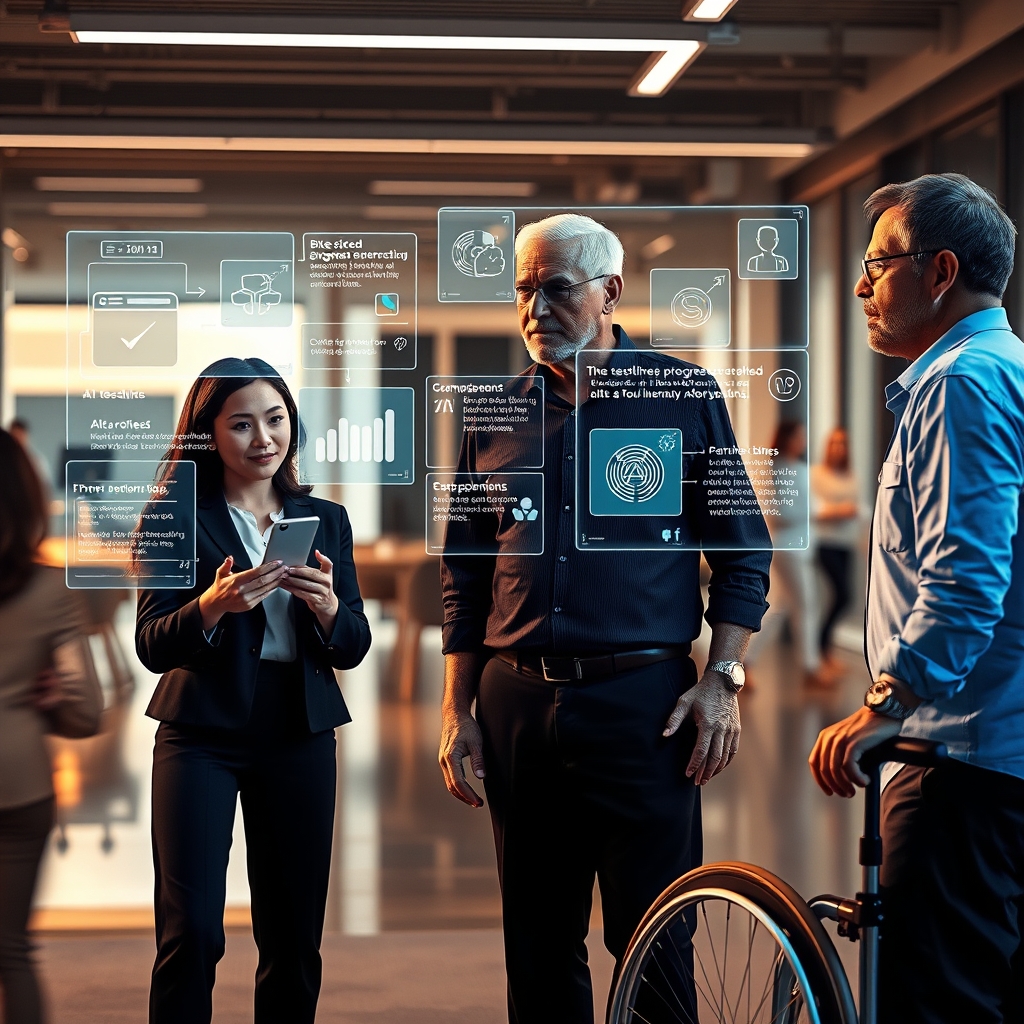
In today’s fast-paced digital landscape, the demand for continuous learning and workforce upskilling has never been more critical. Traditional education models, while foundational, often struggle to keep pace with the rapid evolution of industry requirements. Enter microlearning—a methodology that breaks down complex topics into bite-sized, easily digestible modules. When combined with Artificial Intelligence (AI), microlearning transcends its conventional boundaries, offering a dynamic, personalized, and highly effective approach to professional development.
The Evolution of Microlearning
Microlearning is not a new concept, but its adoption has surged in recent years, driven by the need for flexibility and efficiency in learning. Unlike traditional long-form courses, microlearning delivers content in short bursts—typically ranging from a few seconds to 15 minutes—focusing on a single concept or skill. This approach aligns perfectly with the modern learner’s lifestyle, where time is a precious commodity, and attention spans are increasingly fragmented.
Platforms like Duolingo, Khan Academy, and Coursera have already embraced microlearning, offering users the ability to learn on-the-go. However, the integration of AI takes this methodology to the next level by enabling adaptive learning paths, real-time feedback, and data-driven insights that cater to individual learning styles and pace.
How AI Enhances Microlearning
AI’s role in microlearning is multifaceted, transforming it from a static delivery method into an interactive, intelligent system. Here’s how:
1. Personalized Learning Paths
AI algorithms analyze a learner’s performance, preferences, and progress to curate customized content. For instance, if a professional struggles with a specific concept in data analysis, the AI can recommend additional micro-lessons or resources tailored to their needs. This level of personalization ensures that learners are neither overwhelmed nor under-challenged, maximizing engagement and retention.
2. Real-Time Feedback and Adaptive Assessments
Traditional assessments often provide feedback after the fact, leaving learners to struggle through mistakes without immediate correction. AI-powered microlearning platforms, however, offer real-time feedback, identifying errors and misconceptions as they occur. Adaptive assessments adjust the difficulty of questions based on the learner’s performance, ensuring a balanced challenge that fosters growth without frustration.
3. Predictive Learning Analytics
AI doesn’t just react to learner behavior—it predicts it. By analyzing patterns in engagement, completion rates, and performance, AI can forecast potential drop-off points or areas where learners might struggle. This allows educators and organizations to proactively intervene, offering additional support or adjusting the curriculum to better suit the audience’s needs.
4. Gamification and Engagement
Gamified learning environments leverage AI to create immersive, interactive experiences that motivate learners. Features like leaderboards, badges, and progress tracking tap into intrinsic and extrinsic motivation, making microlearning not just effective but also enjoyable. AI can dynamically adjust gamification elements based on individual preferences, ensuring that the experience remains engaging over time.
Microlearning and Workforce Upskilling
The modern workforce is in a state of constant flux, with new technologies and methodologies emerging at breakneck speed. Upskilling has become a necessity rather than a luxury, and organizations are increasingly turning to microlearning to bridge the skills gap. Here’s why:
1. Just-in-Time Learning
Microlearning excels in delivering just-in-time learning, where professionals can access relevant information exactly when they need it. For example, a software developer encountering a new programming language can quickly complete a micro-lesson on the topic before applying it to their project. This immediacy enhances productivity and reduces downtime.
2. Cost-Effective and Scalable
Traditional training programs can be costly and time-consuming, often requiring employees to step away from their roles for extended periods. Microlearning, on the other hand, is highly scalable and cost-effective. Organizations can deploy AI-driven microlearning platforms to thousands of employees simultaneously, ensuring consistent and up-to-date training without the logistical challenges of in-person sessions.
3. Digital Microcredentials and Recognition
As microlearning gains traction, so does the demand for digital microcredentials—certifications or badges that validate the completion of specific skills or modules. AI can track and verify these credentials, providing professionals with tangible proof of their expertise. Platforms like LinkedIn and Credly have already integrated microcredentials into their ecosystems, making it easier for learners to showcase their skills to employers.
4. Inclusive and Accessible Learning
Microlearning, when paired with AI, can also promote inclusive education. AI-driven platforms can adapt content for learners with disabilities, offering features like text-to-speech, closed captioning, and customizable interfaces. Additionally, microlearning’s flexibility makes it accessible to professionals with varying schedules, including those in remote or hybrid work environments.
The Future of Microlearning and AI
The synergy between microlearning and AI is still in its early stages, but the potential is immense. As AI continues to evolve, we can expect even more sophisticated features, such as:
- Natural Language Processing (NLP): AI-powered chatbots and virtual assistants that can answer questions, provide explanations, and even simulate conversations to reinforce learning.
- Augmented Reality (AR) and Virtual Reality (VR): Immersive microlearning experiences that allow professionals to practice skills in simulated environments, such as virtual labs or interactive scenarios.
- Social Learning Integration: AI-driven platforms that facilitate peer-to-peer learning, connecting professionals with similar interests or skill gaps to collaborate and share knowledge.
Organizations that embrace AI-enhanced microlearning will not only future-proof their workforce but also foster a culture of continuous learning and innovation. The key lies in leveraging these technologies to create a learning ecosystem that is agile, inclusive, and aligned with the ever-changing demands of the digital age.
As we navigate this era of rapid technological advancement, the fusion of microlearning and AI stands as a beacon of hope for professionals seeking to stay ahead of the curve. It’s not just about acquiring new skills—it’s about doing so in a way that is efficient, engaging, and tailored to the unique needs of each learner. The future of workforce upskilling is here, and it’s more accessible, personalized, and powerful than ever before.



