
Ergonomic Elegance: Crafting Flexible Learning Environments for a Balanced Academic Life
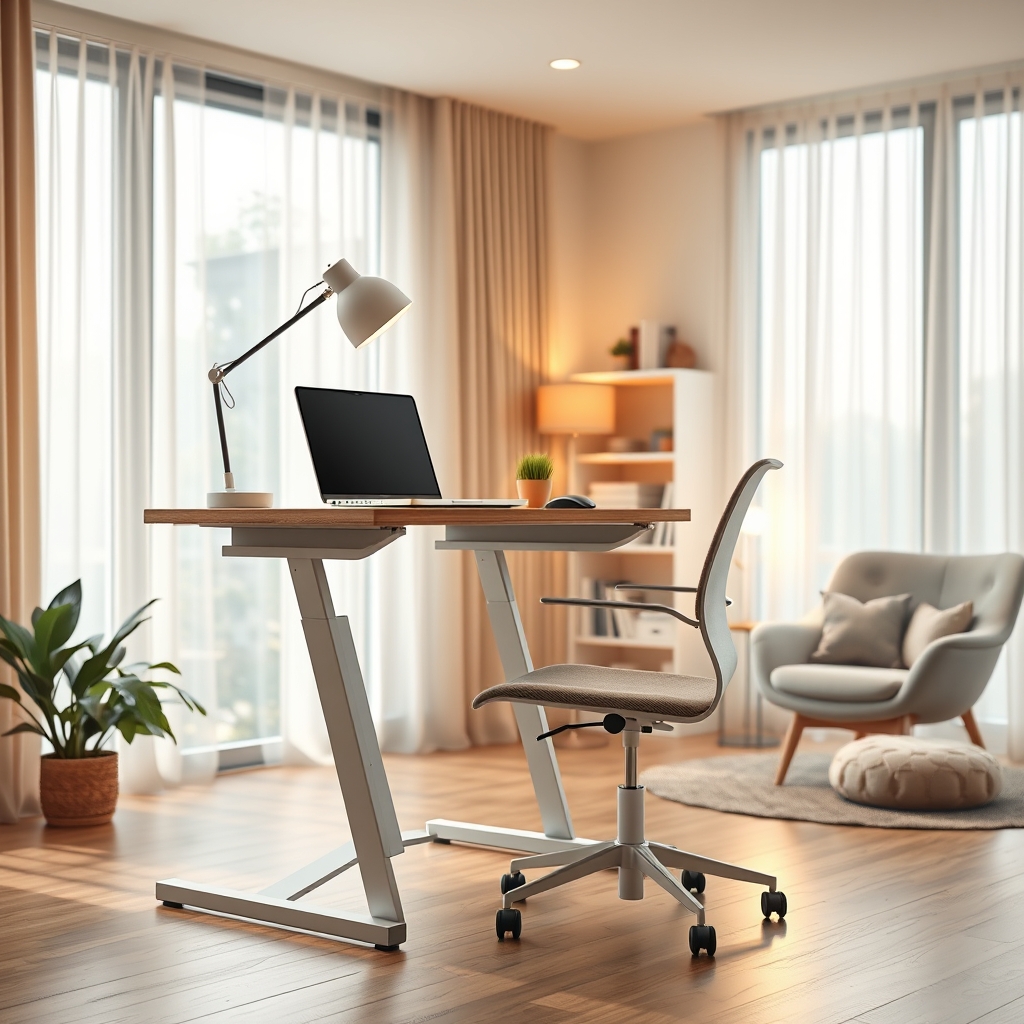
In today’s fast-paced academic world, the spaces where we learn play a pivotal role in shaping our productivity, creativity, and overall well-being. Gone are the days when rigid desks and fluorescent lighting were the norms of education. Instead, modern learners are embracing flexible learning environments that adapt to their needs, fostering a low-stress education experience that prioritizes comfort without compromising focus. Whether you’re a student navigating online classes, a professional upskilling, or a parent facilitating home education, creating a cozy study setup can transform the way you engage with knowledge.
The Foundation: Ergonomic Study Spaces
At the heart of any effective learning environment lies ergonomics—the science of designing spaces that align with the human body’s natural movements and postures. An ergonomic desk setup isn’t just about aesthetics; it’s about reducing physical strain, preventing long-term injuries, and enhancing concentration. Start with the basics: a chair that supports your spine’s natural curve, a desk at elbow height to maintain neutral wrist positions, and a monitor placed at eye level to avoid neck strain. These small adjustments can make a world of difference, especially during long study sessions.
For those who prefer a more dynamic approach, consider adaptive classroom design principles. Adjustable standing desks, ergonomic footrests, and even balance boards can introduce movement into your study routine, keeping your body engaged and your mind sharp. The goal is to create a space that doesn’t just accommodate learning but actively enhances it by minimizing discomfort and distractions.
Flexibility Meets Comfort: The Rise of Casual Study Environments
The traditional notion of a study space—a sterile, quiet room with a desk and chair—is evolving. Today’s learners thrive in casual study environments that blend comfort with functionality. Think plush seating, warm lighting, and even outdoor-inspired setups like hammock chairs or floor cushions. These spaces invite relaxation while subtly encouraging focus, making them ideal for those who struggle with the rigidity of conventional setups.
Flexibility also extends to the tools we use. Wireless keyboards, adjustable laptop stands, and noise-canceling headphones allow learners to customize their environment on the fly. For students juggling hybrid learning, this adaptability is crucial. A comfortable online class experience isn’t just about reliable technology; it’s about creating a physical space that feels inviting and free from the stress of constant adjustments.
Sensory-Friendly Spaces: A Holistic Approach
Not all learners thrive in the same environment. Some are easily overwhelmed by bright lights or loud noises, while others need tactile stimulation to stay engaged. Sensory-friendly classrooms and study spaces address these needs by incorporating elements that soothe or stimulate the senses in a controlled way. Soft, natural lighting, textured surfaces, and even subtle background music can create a relaxed learning atmosphere that caters to individual preferences.
For those studying at home, this might mean adding a small indoor plant for a touch of nature, using essential oil diffusers for calming scents, or incorporating fidget tools for tactile learners. The key is to experiment and find what works best for you. A mindful study routine isn’t just about what you do; it’s about where you do it and how that environment makes you feel.
Balancing Act: Student Wellness Practices for Long-Term Success
A well-designed study space is only one piece of the puzzle. To truly thrive academically, students must adopt student wellness practices that promote balance and reduce burnout. This starts with setting boundaries—both physical and mental. Designate specific areas for studying, work, and relaxation to create a clear separation between tasks. When it’s time to study, your space should signal focus; when it’s time to unwind, it should feel like a sanctuary.
Incorporating movement into your routine is another powerful way to maintain balance. Short breaks for stretching, walking, or even a quick dance session can recharge your brain and prevent the stiffness that comes from prolonged sitting. Pair this with a flexible study schedule that accommodates your natural energy levels. Some learners are most productive in the early morning, while others hit their stride late at night. Listen to your body and design a routine that works for you, not against you.
The Role of Mindfulness in Learning
Mindfulness isn’t just a buzzword; it’s a practice that can transform the way you engage with your studies. A mindful study routine involves being fully present in the moment, whether you’re reading a textbook, taking notes, or participating in an online discussion. This can be as simple as taking a few deep breaths before starting a task, practicing gratitude for the opportunity to learn, or using meditation apps to center yourself during breaks.
Creating a positive learning space goes hand in hand with mindfulness. Surround yourself with items that inspire you—a vision board, motivational quotes, or even a favorite piece of art. These elements serve as gentle reminders of your goals and the joy of learning, making your study sessions feel less like a chore and more like a journey of growth.
As education continues to evolve, so too must our approach to learning environments. The shift toward comfortable learning spaces and holistic student comfort reflects a broader understanding of what it means to learn effectively. It’s no longer about enduring long hours in uncomfortable settings but about creating spaces that nurture both the mind and body. By embracing ergonomics, flexibility, and mindfulness, we can design study environments that not only support academic success but also enhance our overall well-being. The future of learning is here, and it’s cozy, adaptive, and deeply personal.



