
The Soft Power of Home: Crafting Ergonomic Study Spaces That Embrace Student Wellness
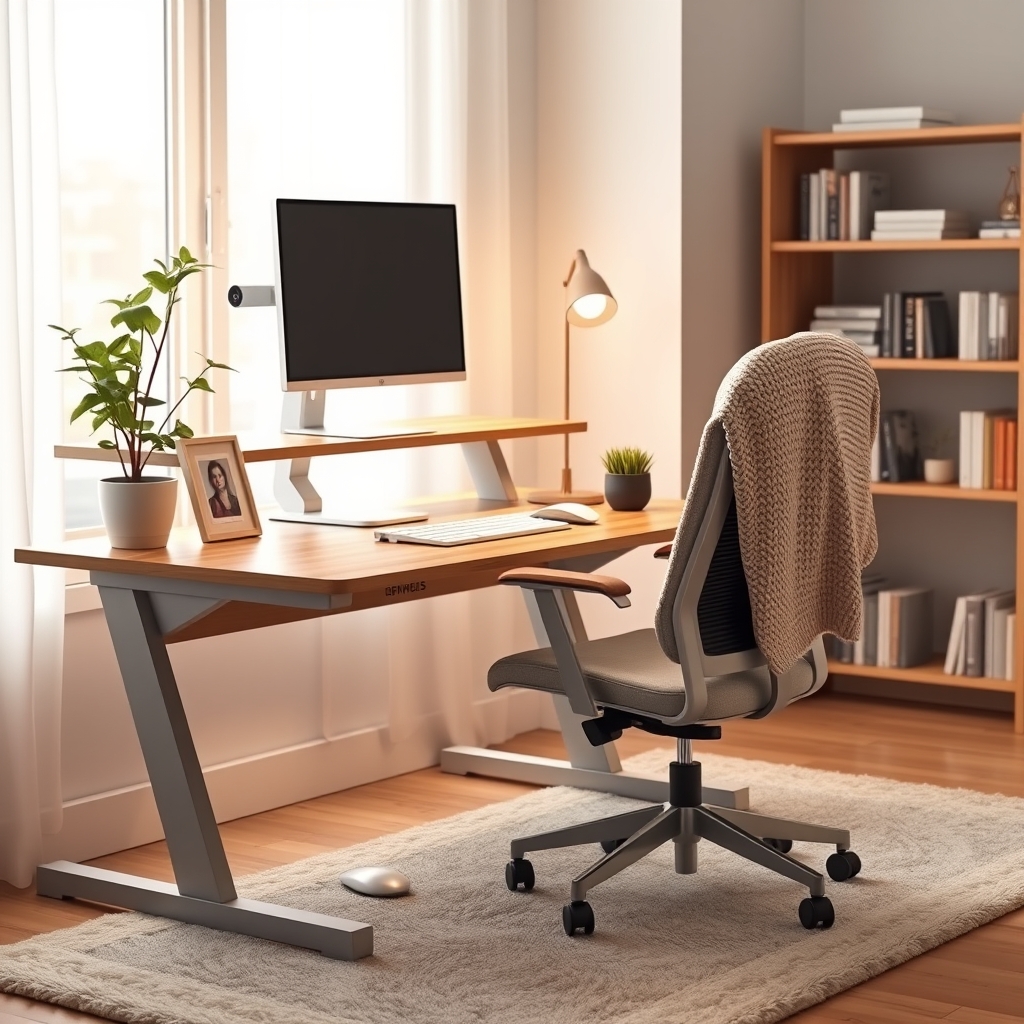
Imagine a space where the hum of a quiet fan blends with the soft rustle of turning pages, where the chair cradles your posture like a gentle embrace, and where every object within reach feels like an extension of your own rhythm. This isn’t a luxury—it’s the foundation of an ergonomic study space designed not just for productivity, but for well-being. In an era where learning has spilled beyond the walls of traditional classrooms, the environments we create at home have become the silent architects of our academic success and mental health. The way we arrange our desks, the lighting we choose, and even the textures we surround ourselves with can either drain our energy or replenish it, shaping not just what we learn, but how we feel while learning.
The Anatomy of an Ergonomic Study Space
Ergonomics isn’t just about avoiding back pain—it’s about designing a space that moves with you, not against you. The cornerstone of any ergonomic study setup is the chair. A good one should support the natural curve of your spine, with adjustable height and lumbar support to prevent slouching. Pair it with a desk at elbow height, allowing your arms to rest at a 90-degree angle while typing or writing. But ergonomics extends beyond furniture. Monitor height matters too; the top of your screen should align with your eye level to reduce neck strain. Even the placement of your keyboard and mouse can make a difference—keep them close enough to avoid overreaching, which can lead to shoulder tension over time.
Yet, ergonomics isn’t solely about physical comfort. It’s also about creating a space that respects your body’s need for movement. Consider a standing desk converter or a balance board to alternate between sitting and standing. Small shifts in posture throughout the day can prevent stiffness and keep your mind alert. The goal isn’t to remain static, but to design a space that adapts to your body’s natural rhythms, allowing you to focus without the distraction of discomfort.
The Psychology of a Cozy Study Setup
Comfort isn’t just physical—it’s psychological. A cozy study setup isn’t about clutter or excess; it’s about curating an environment that feels safe, inviting, and personally meaningful. Start with lighting. Harsh overhead lights can create glare and eye strain, while warm, diffused lighting—like a desk lamp with a soft glow—can make a space feel more intimate and less clinical. Natural light is ideal, but if that’s not an option, consider full-spectrum bulbs that mimic daylight to reduce fatigue.
Texture plays a subtle but powerful role in creating a relaxed learning atmosphere. A plush rug underfoot, a knitted throw draped over your chair, or even a small plant on your desk can add warmth and life to a space. These elements don’t just decorate—they engage the senses, making the environment feel more human and less like a sterile workspace. Personal touches, like a framed photo or a favorite mug, can also make a space feel uniquely yours, fostering a sense of ownership and ease.
Sound is another often-overlooked aspect of a cozy study setup. While some thrive in silence, others find focus in ambient noise. Experiment with background sounds—whether it’s the steady hum of a white noise machine, the gentle patter of rain, or instrumental music. The key is to find what soothes rather than distracts, creating a soundscape that lulls your mind into a state of flow.
Flexible Learning Environments: Adapting to the Rhythms of the Day
One of the greatest advantages of studying at home is the ability to tailor your environment to the task at hand. A flexible learning environment isn’t static; it evolves with your needs. For example, you might start the day at a standing desk for a brainstorming session, then move to a cozy armchair with a notebook for reading, and finally settle at a traditional desk for focused writing. This variety prevents monotony and keeps your mind engaged.
Flexibility also means being able to adjust your space for different types of learning. Group study sessions might benefit from a larger table and collaborative tools like a whiteboard, while solo study might require a more secluded, distraction-free zone. Even the time of day can influence your setup—bright, energizing light might be ideal for morning study, while softer lighting can help wind down in the evening. The ability to adapt your space to these shifting needs can make learning feel less like a chore and more like a natural part of your day.
Mindful Study Routines: The Heart of a Stress-Free Academic Life
A well-designed study space is only as effective as the habits that fill it. Mindful study routines are the bridge between a comfortable environment and a truly stress-free academic life. Start by setting clear intentions for your study sessions. Instead of diving in aimlessly, take a moment to ask yourself: What do I want to accomplish? How do I want to feel while doing it? This simple act of mindfulness can transform a study session from a source of anxiety into an opportunity for growth.
Incorporate movement into your routine. The Pomodoro Technique—25 minutes of focused work followed by a 5-minute break—is a classic example, but don’t be afraid to adapt it to your needs. Use those breaks to stretch, walk around, or simply gaze out the window. These micro-moments of rest can prevent burnout and keep your mind fresh. Additionally, consider starting and ending your study sessions with a brief mindfulness practice, such as deep breathing or a short meditation. This can help transition your mind into and out of study mode, reducing the mental clutter that often accompanies academic work.
Balancing Comfort and Discipline: The Art of a Positive Learning Space
There’s a fine line between a comfortable study space and one that lulls you into complacency. The key is balance—creating an environment that feels nurturing without becoming a distraction. For example, while a cozy armchair might be perfect for reading, it might not be the best place for writing a paper if it tempts you to nap. Similarly, while background music can enhance focus, lyrics might pull your attention away from complex tasks. The goal is to design a space that supports your work, not one that competes with it.
One way to strike this balance is to create designated zones within your study space. Reserve one area for deep focus—minimalist, clutter-free, and equipped with only the tools you need for the task at hand. Another area can be more relaxed, filled with comforts that make studying enjoyable. By separating these zones, you can train your brain to associate each space with a specific mindset, making it easier to transition between work and rest.
Ultimately, the spaces we create for learning are more than just physical environments—they’re reflections of how we value ourselves and our education. A thoughtfully designed study space doesn’t just make learning easier; it makes it more meaningful. It sends a message that your well-being matters, that your comfort is worth investing in, and that the pursuit of knowledge should be as kind to your body and mind as it is to your intellect. When we take the time to craft these spaces with intention, we’re not just setting ourselves up for academic success—we’re nurturing a relationship with learning that is sustainable, joyful, and deeply human.



