
The Rhythm of Rest and Focus: How Comfortable Learning Spaces Shape a Mindful Academic Journey
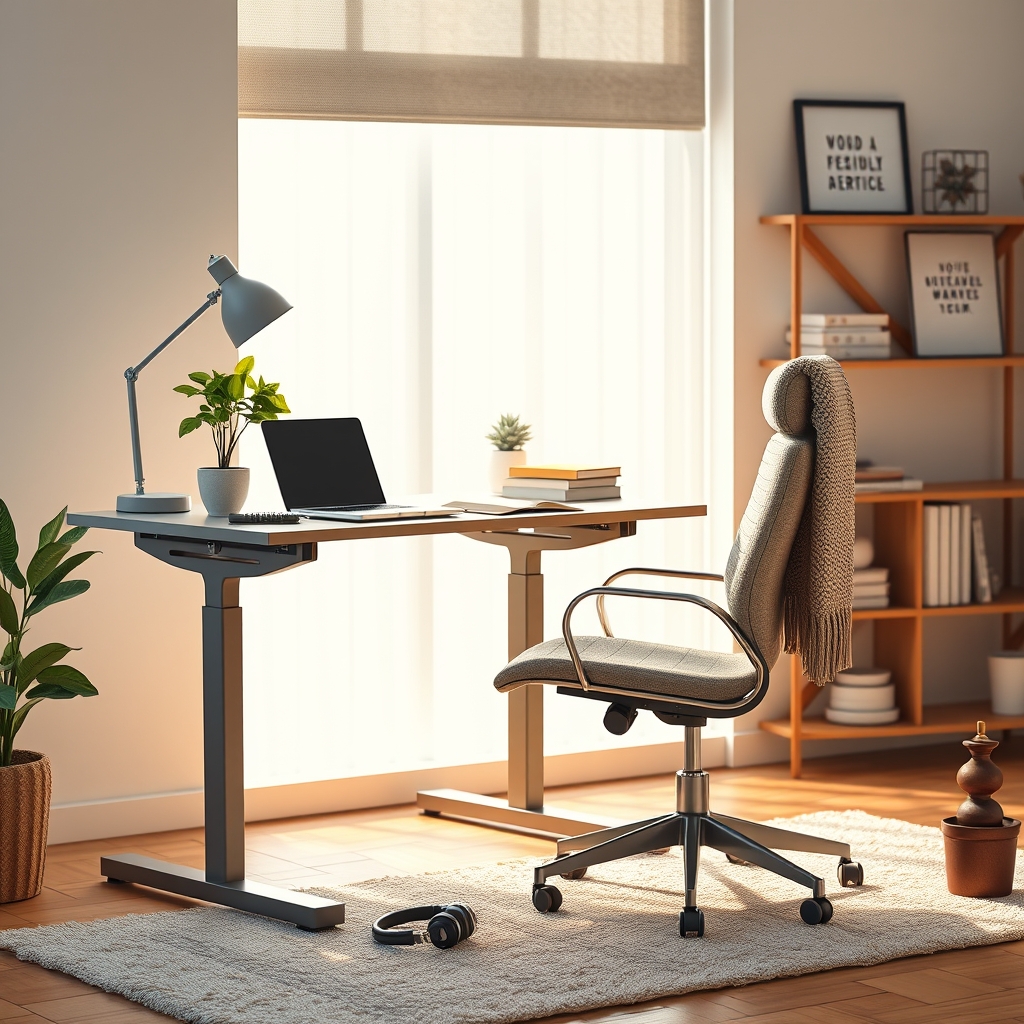
In the quiet hum of a well-designed study space, something almost magical happens. The mind settles, focus sharpens, and learning becomes not just a task, but a natural extension of being. The modern student navigates a world where education is no longer confined to rigid desks and fluorescent-lit classrooms. Instead, the boundaries of learning have expanded into homes, cafes, and even outdoor nooks, where comfort and adaptability reign. The key to unlocking this potential lies not in forcing concentration, but in creating environments that gently guide the mind toward effortless engagement.
The Foundation of Comfort: Ergonomics as a Silent Partner
Ergonomics is often misunderstood as merely a matter of posture or chair height, but its influence runs deeper. A truly ergonomic study space is one that listens to the body’s needs before the mind even registers discomfort. The curve of a chair that supports the spine without pressure, the angle of a desk that prevents hunching, or the height of a monitor that keeps the neck aligned—these are not just details, but the building blocks of sustained focus. When the body is at ease, the mind is free to wander into the realms of ideas, unburdened by physical distractions.
Yet, ergonomics extends beyond furniture. Lighting plays a crucial role, with natural light being the gold standard for reducing eye strain and maintaining circadian rhythms. Soft, warm lighting in the evenings can signal the brain that it’s time to wind down, while bright, cool light in the mornings can energize the senses. Even the placement of a desk near a window can make a difference, offering a view that provides micro-moments of respite for the eyes and mind.
The Flexibility to Flow: Adapting Spaces to the Rhythm of Learning
Flexibility in learning environments is not just about movable furniture or modular layouts—it’s about honoring the natural ebb and flow of focus. Some days, the mind craves structure, thriving in a tidy, minimalist space where every item has its place. Other days, creativity blossoms in a more organic setting, where books, notes, and tools are within arm’s reach, encouraging spontaneous exploration. The ability to shift between these modes is what makes a study space truly adaptive.
For students engaged in hybrid or online learning, this flexibility becomes even more critical. A space that can transition from a solo study session to a collaborative virtual discussion with ease removes the friction that often disrupts focus. Adjustable desks that allow for standing or sitting, noise-canceling headphones for moments of deep concentration, or even a small indoor plant to bring a touch of nature indoors—these elements work together to create a space that bends to the learner’s needs, rather than forcing the learner to conform to the space.
The Role of Sensory Balance in Sustained Focus
Sensory input can either sharpen focus or scatter it, depending on how it’s managed. A study space that is too sterile can feel uninspiring, while one that is overly cluttered can overwhelm the senses. The sweet spot lies in a balanced approach—where textures, sounds, and scents work in harmony to create an atmosphere that feels both stimulating and soothing. A soft rug underfoot, the gentle hum of a white noise machine, or the subtle scent of lavender can transform a study session from a chore into a ritual.
For those sensitive to sensory overload, small adjustments can make a world of difference. Reducing visual clutter by using storage solutions that hide away materials when not in use, opting for neutral or calming color palettes, and minimizing harsh sounds can create a sanctuary where the mind can settle. Even the temperature of the room plays a role—too hot, and the mind grows sluggish; too cold, and the body tenses. A space that is just right becomes an invisible ally in the learning process.
Mindfulness as the Bridge Between Comfort and Productivity
Comfort alone is not enough to sustain deep learning—it must be paired with mindfulness. A mindful study routine is one that acknowledges the present moment, allowing the learner to fully engage with the material without the weight of distraction. This might look like setting an intention at the start of a study session, taking brief pauses to stretch or breathe, or simply noticing when the mind begins to wander and gently guiding it back.
Incorporating mindfulness into a study space can be as simple as keeping a journal nearby to jot down fleeting thoughts, or using a timer to structure work and rest intervals. The Pomodoro Technique, for example, encourages focused bursts of work followed by short breaks, aligning with the brain’s natural rhythms. When combined with a comfortable environment, these practices create a feedback loop—comfort enhances mindfulness, and mindfulness deepens the ability to focus, leading to a more fulfilling learning experience.
The Ripple Effect of a Thoughtfully Designed Space
The impact of a well-designed study space extends far beyond the hours spent at the desk. It shapes habits, influences mood, and even affects overall well-being. A space that feels inviting encourages consistency, making it easier to return to tasks day after day. It reduces the mental resistance that often accompanies studying, transforming it from a source of stress into an opportunity for growth. Over time, this shift in perspective can ripple outward, influencing how students approach challenges, manage time, and even interact with others.
When learning is no longer a battle against discomfort, it becomes a journey of discovery. The mind, unburdened by physical strain or sensory overload, is free to explore, question, and connect ideas in ways that feel effortless. This is the true power of a comfortable learning space—it doesn’t just support education; it elevates it, turning each study session into a step toward not just academic success, but a deeper understanding of oneself and the world.



