
From Chaos to Calm: Designing Flexible Study Spaces That Nurture Student Wellness
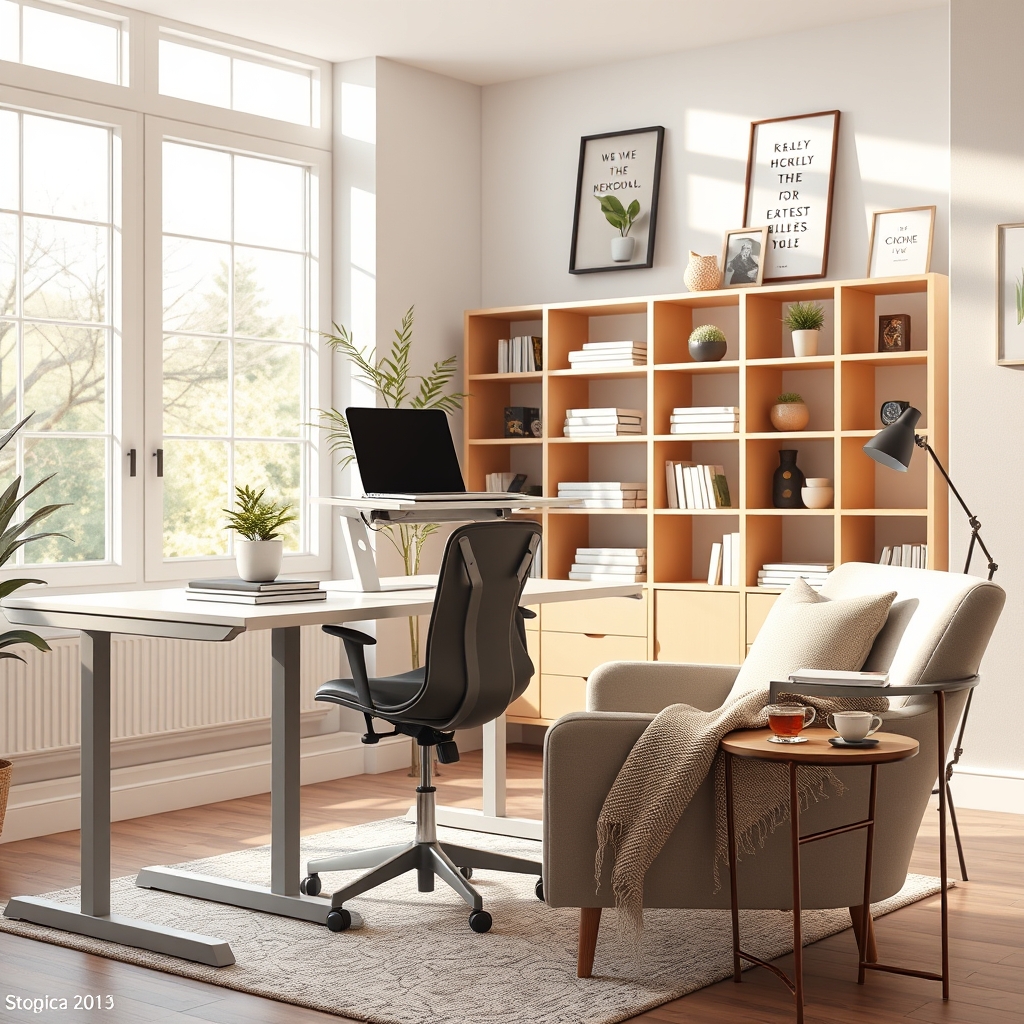
In today’s fast-paced academic world, the environment in which students learn can be just as important as the material they’re studying. A well-designed study space doesn’t just enhance focus—it nurtures mental well-being, reduces stress, and fosters a sense of balance. The shift toward flexible learning environments reflects a growing understanding that comfort and adaptability are key to sustained academic success. Whether you’re a student navigating online classes, a parent supporting home education, or an educator reimagining classroom design, creating a space that prioritizes wellness can transform the learning experience.
The Foundations of a Comfortable Learning Space
At the heart of any effective study area is ergonomics—the science of designing spaces that support the body’s natural movements and reduce strain. An ergonomic desk setup, for instance, isn’t just about having a chair that doesn’t hurt your back; it’s about creating a dynamic environment that adapts to your needs. Adjustable chairs, sit-stand desks, and proper lighting are essential components, but the real magic happens when these elements work together to minimize physical discomfort and mental fatigue.
Lighting plays a crucial role in setting the tone for a study session. Natural light is ideal, as it boosts mood and energy levels, but when that’s not available, warm, adjustable LED lighting can mimic daylight and reduce eye strain. Pairing this with a clutter-free workspace—where supplies are within easy reach but not overwhelming—can further enhance focus. The goal is to create a space that feels inviting rather than intimidating, where the mind can settle into the task at hand without unnecessary distractions.
Flexibility as a Path to Stress-Free Studying
Gone are the days when a rigid, one-size-fits-all approach to studying was the norm. Today’s learners thrive in environments that can shift and evolve with their needs. Flexible learning environments are designed to accommodate different study styles, whether that means a quiet corner for deep concentration, a collaborative area for group work, or a cozy nook for reflective reading. The ability to move between these spaces—or even reconfigure a single space—can make learning feel less like a chore and more like a natural part of daily life.
For students engaged in hybrid learning, this flexibility is especially valuable. A space that can transition seamlessly from in-person to online classes ensures consistency and reduces the mental load of constantly adapting to new settings. Modular furniture, like foldable desks or movable partitions, can help create distinct zones within a room, allowing students to switch between tasks without feeling confined. The key is to design a space that feels fluid, where the environment supports the learner rather than dictating how they should work.
Incorporating Mindfulness into Study Routines
A comfortable study setup goes beyond physical comfort—it also nurtures mental and emotional well-being. Mindful study routines encourage students to approach their work with intention, reducing anxiety and improving retention. Simple practices, like taking short breaks to stretch or breathe deeply, can make a significant difference in maintaining focus over long periods. Some students find that incorporating sensory-friendly elements, such as soft textures, calming colors, or even background noise machines, helps create a more soothing atmosphere.
For those who struggle with sensory overload, a study space that minimizes distractions—whether through noise-canceling headphones, blackout curtains, or designated quiet hours—can be a game-changer. The idea is to create a sanctuary where the mind can engage fully with the material without feeling overwhelmed. When students feel in control of their environment, they’re more likely to approach their work with confidence and curiosity rather than dread.
Balancing Comfort with Academic Rigor
While comfort is essential, it’s also important to strike a balance between relaxation and productivity. A space that’s too cozy might encourage procrastination, while one that’s overly sterile can feel uninspiring. The sweet spot lies in creating an environment that feels both nurturing and motivating. Personal touches, like plants, artwork, or meaningful objects, can make a study space feel uniquely yours, fostering a sense of ownership and pride in your work.
Flexible study schedules can also help maintain this balance. Instead of forcing long, uninterrupted study sessions, breaking work into manageable chunks with built-in breaks can prevent burnout. Techniques like the Pomodoro method—where students work for 25 minutes, then take a 5-minute break—can make studying feel less daunting and more sustainable. The goal is to create a rhythm that aligns with the body’s natural energy levels, making learning feel like a natural part of the day rather than a forced obligation.
Designing for the Future of Learning
As education continues to evolve, so too must the spaces where learning happens. The rise of hybrid and online classes has highlighted the need for adaptable, student-centered environments that prioritize well-being. Schools and universities are increasingly adopting adaptive classroom designs, where furniture, technology, and layout can be easily reconfigured to suit different teaching methods and learning styles. These spaces are not just about functionality—they’re about creating a sense of belonging and community, even in a digital world.
For students learning from home, the challenge is to replicate some of these principles in a smaller, more personal setting. This might mean investing in a few key pieces of ergonomic furniture, like a supportive chair or a height-adjustable desk, or simply rearranging a room to create distinct zones for work and relaxation. The most important thing is to design a space that feels like a reflection of your needs and aspirations, rather than a place where you’re just going through the motions.
Ultimately, the spaces we create for learning shape not just our academic performance, but our overall well-being. When we prioritize comfort, flexibility, and mindfulness, we’re not just designing study areas—we’re cultivating environments that support growth, resilience, and joy. The best study spaces are those that feel like a second home, where every detail is thoughtfully considered to make the journey of learning a little easier and a lot more rewarding.



