
The Hidden Power of Casual Study Environments: How Low-Stress Spaces Transform Learning
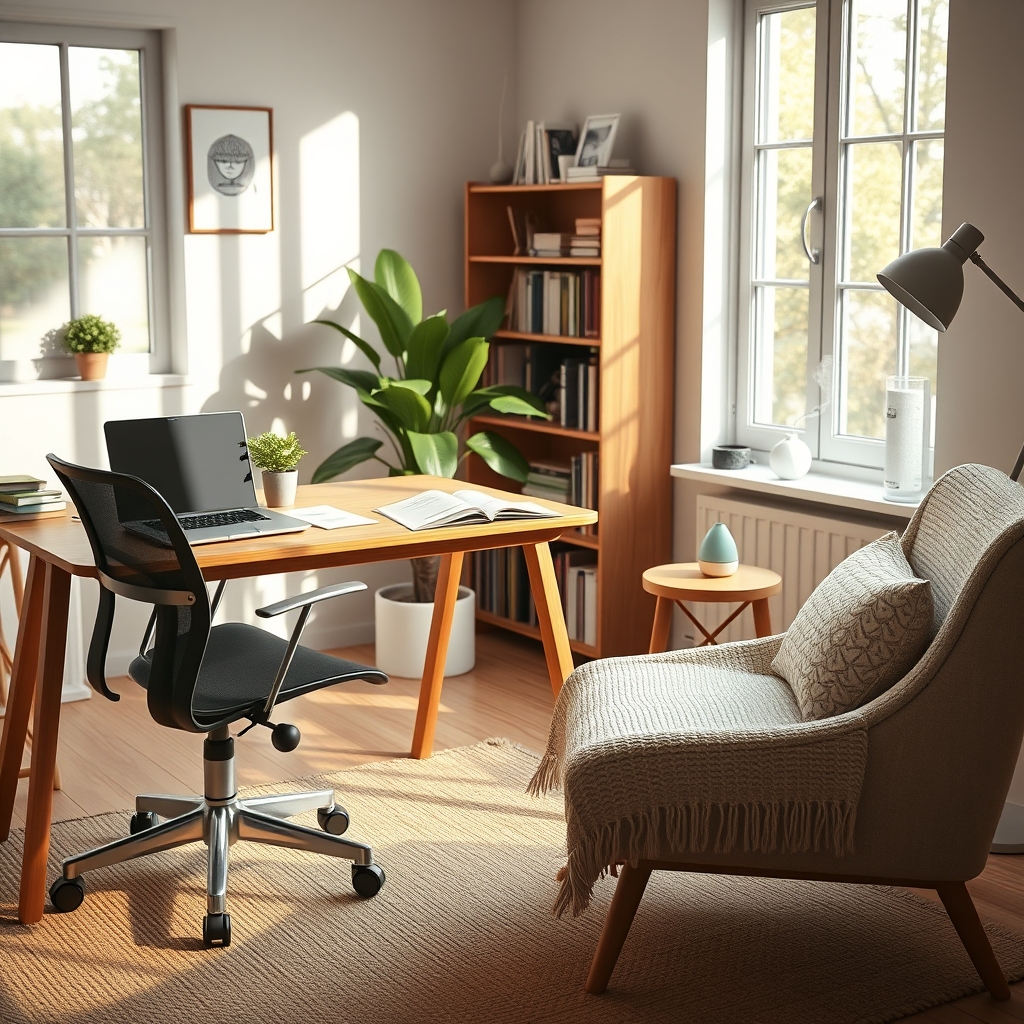
In a world where academic pressure often feels relentless, the spaces we choose to study in can make all the difference. While traditional learning environments emphasize rigid structures and formal setups, an emerging trend is reshaping how students engage with their work: casual study environments. These spaces prioritize comfort, flexibility, and personalization, creating an atmosphere where focus and relaxation coexist. But how exactly do these low-stress setups enhance learning, and what elements make them so effective?
The Psychology Behind Casual Study Spaces
Casual study environments are rooted in the understanding that mental well-being directly impacts cognitive performance. When students feel physically comfortable, their minds are free to absorb information without the distraction of discomfort or stress. Research in environmental psychology suggests that spaces designed with flexibility in mind reduce cortisol levels—the hormone associated with stress—while increasing dopamine and serotonin, which enhance motivation and mood. This biochemical shift creates an ideal state for learning, where curiosity and retention thrive.
Unlike traditional classrooms or rigid home study setups, casual environments allow students to adapt their surroundings to their needs. Whether it’s a cozy corner with soft lighting, a standing desk with an ergonomic chair, or an outdoor patio with natural airflow, these spaces empower learners to take control of their experience. The result? A deeper connection to the material and a more sustainable approach to studying.
Key Elements of a Low-Stress Study Setup
Creating a casual study environment doesn’t require a complete overhaul of your space—just a thoughtful approach to a few key elements. Here’s what to consider:
1. Ergonomics Without the Rigidity
Ergonomics is often associated with clinical, office-like setups, but it doesn’t have to be. The goal is to support the body in a way that feels natural, not forced. Adjustable chairs, lumbar cushions, and desks at the right height can prevent physical strain without sacrificing comfort. For those who prefer variety, incorporating options like floor cushions, standing desks, or even a hammock chair can keep the body engaged and the mind alert.
2. Sensory-Friendly Design
Sensory input plays a huge role in focus and relaxation. Soft, warm lighting—like salt lamps or dimmable LEDs—can create a calming ambiance, while natural light boosts energy and mood. Sound is another critical factor: some students thrive with white noise or instrumental music, while others need complete silence. Textures also matter; a plush rug, a weighted blanket, or even a smooth wooden desk surface can subtly enhance comfort and concentration.
3. Personalization and Flexibility
A casual study space should reflect the individual. Personal touches like photos, plants, or meaningful decor can make the environment feel inviting and motivating. Flexibility is equally important—being able to rearrange furniture, switch between sitting and standing, or move to a different location (like a balcony or a café) prevents monotony and keeps the mind fresh. This adaptability is especially valuable for hybrid learners, who split their time between home and classroom settings.
4. Mindful Study Routines
Even the most comfortable space won’t be effective without mindful habits. Casual study environments encourage routines that prioritize balance, such as the Pomodoro Technique (25 minutes of focused work followed by a 5-minute break) or incorporating short meditation sessions between study blocks. These practices prevent burnout and reinforce the idea that learning doesn’t have to be a grueling marathon—it can be a series of intentional, enjoyable sprints.
Beyond the Desk: The Role of Environment in Student Wellness
The benefits of casual study environments extend far beyond academic performance. They foster a holistic approach to student wellness by addressing physical, emotional, and mental needs. When students associate learning with comfort rather than stress, they’re more likely to develop a positive relationship with education—one that lasts long after graduation.
For parents and educators, this means rethinking the traditional notion of a “proper” study space. A child sprawled on the floor with a book, a teenager studying at a café with headphones, or a college student working from a bean bag chair aren’t signs of laziness—they’re signs of an adaptive, self-aware learner. By embracing these flexible environments, we normalize the idea that learning can happen anywhere, as long as the space supports focus and well-being.
Bringing Casual Study Principles to Any Space
You don’t need a dedicated home office or a designer study nook to create a casual learning environment. Start small: swap out harsh overhead lighting for a warm desk lamp, add a cushion to your chair, or designate a “no screens” zone to encourage breaks. If you’re in a shared space, like a dorm or a family living room, use room dividers or noise-canceling headphones to carve out a personal retreat. The key is to experiment and find what works for you—because the best study space is the one that feels like it was made just for you.
As education continues to evolve, so too should our approach to learning environments. Casual study spaces remind us that comfort and productivity aren’t mutually exclusive—they’re two sides of the same coin. By designing spaces that prioritize well-being, we’re not just improving grades or test scores; we’re cultivating a generation of learners who see education as a joyful, sustainable part of life. And in a world that often feels overwhelming, that might be the most valuable lesson of all.