
The Subtle Symphony of Comfort: How Ergonomic Study Spaces Harmonize Learning and Well-Being
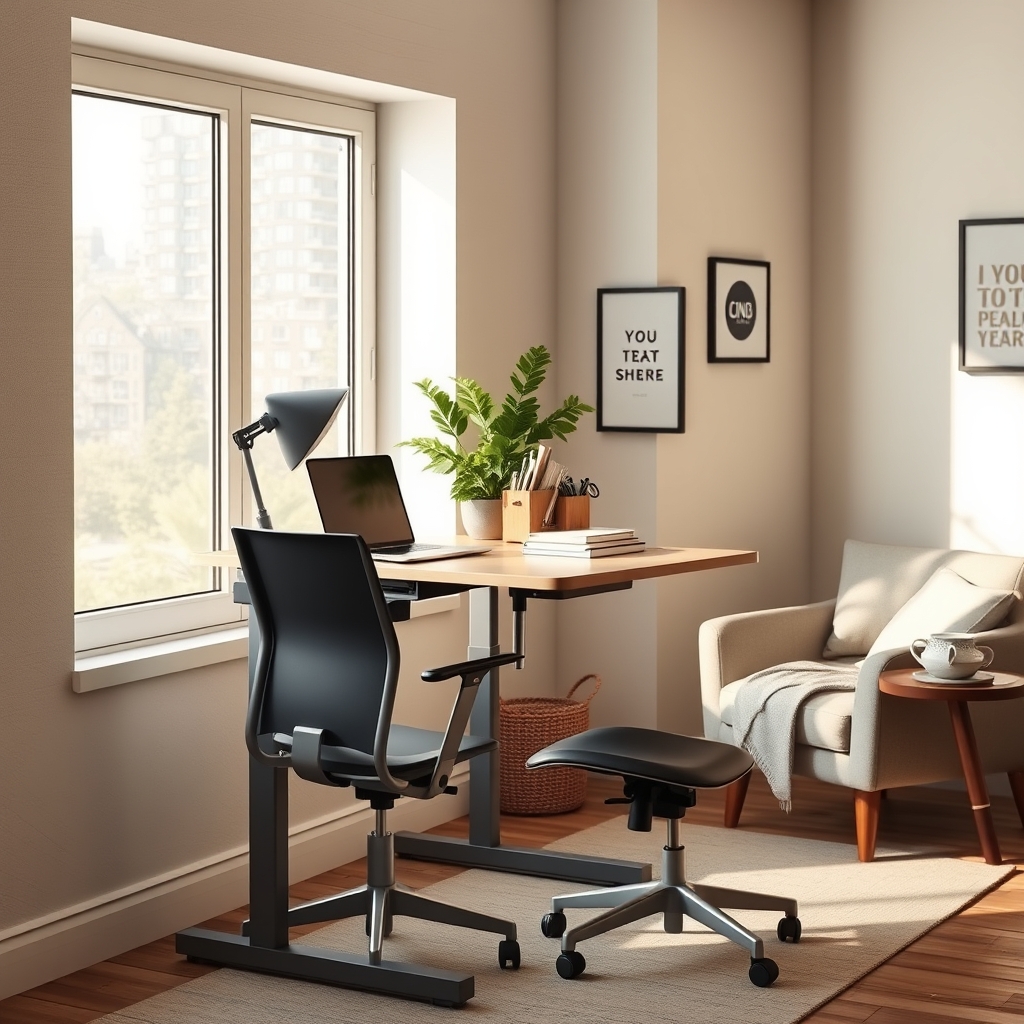
In the quiet hum of a well-designed study space, something almost magical happens. The mind settles, focus sharpens, and the weight of academic pressure feels just a little lighter. It’s not about grand gestures or expensive gadgets—it’s about the subtle interplay of comfort, functionality, and intention. Ergonomic study spaces are more than just desks and chairs; they are the unsung conductors of a symphony that balances productivity with well-being, turning the act of learning into a nurturing experience rather than a draining one.
The Foundation: Ergonomics as the Backbone of Comfort
At the heart of any effective study space lies ergonomics—the science of designing environments that align with the body’s natural movements and needs. A chair that supports the spine’s curve, a desk at the right height to prevent hunching, and a monitor positioned to reduce eye strain are not luxuries; they are necessities. When the body is at ease, the mind follows. Studies have shown that students who study in ergonomically optimized spaces report lower levels of physical discomfort, which in turn reduces mental fatigue. The result? A clearer mind, better retention, and a more sustainable approach to learning.
But ergonomics isn’t just about the physical setup. It’s also about adaptability. A study space that can shift with the learner’s needs—whether through adjustable furniture, modular layouts, or even the flexibility to move from a desk to a cozy nook—ensures that comfort isn’t static. It evolves, just as the learner does.
The Atmosphere: Crafting a Relaxed Learning Environment
Comfort in learning isn’t solely about the body; it’s also about the atmosphere. A relaxed learning environment is one where stress doesn’t have a foothold. Soft lighting, natural elements like plants or wood textures, and even the absence of clutter can transform a study session from a chore into a retreat. The goal is to create a space that feels inviting, almost like a second home where the mind can wander freely without the pressure of perfection.
Sensory-friendly classrooms and study spaces take this a step further by considering how different stimuli affect focus and mood. For some, gentle background music or white noise can enhance concentration, while others may thrive in complete silence. The key is to tailor the environment to the individual’s sensory preferences, ensuring that the space doesn’t just accommodate learning but actively supports it.
The Role of Flexibility in Modern Learning
Gone are the days when learning was confined to a rigid desk in a sterile classroom. Today’s students—whether in traditional schools, hybrid programs, or fully online setups—need spaces that can adapt to their ever-changing routines. Flexible learning environments are designed to be fluid, allowing for movement, collaboration, and solitude as needed. A student might start the day at a standing desk, transition to a lounge chair for reading, and end with a group discussion in a circular seating arrangement. This adaptability not only keeps the body engaged but also the mind, preventing the monotony that can lead to burnout.
For those learning from home, this flexibility is even more critical. A comfortable online class setup might include a dedicated study nook that can double as a creative space, or a desk that folds away when not in use to reclaim living space. The ability to shift between different modes of learning—solo study, virtual group work, or even hands-on projects—keeps the experience dynamic and engaging.
Mindful Study Routines: The Invisible Thread
Comfortable learning spaces are only as effective as the routines that govern them. A mindful study routine is one that respects the natural rhythms of the body and mind. It’s about knowing when to push forward and when to pause, when to dive deep into a subject and when to step back and recharge. Techniques like the Pomodoro method, which alternates focused study sessions with short breaks, can help maintain a balance between productivity and well-being. Pairing these routines with a comfortable study setup creates a feedback loop where the environment reinforces the habit, and the habit, in turn, makes the environment more effective.
Incorporating wellness practices into study routines can also make a significant difference. Simple acts like stretching between sessions, staying hydrated, or practicing deep breathing can prevent the physical and mental strain that often accompanies long study hours. When these practices become part of the routine, the study space transforms from a place of stress to one of holistic growth.
Designing for the Whole Student
The most effective study spaces are those that consider the student as a whole—body, mind, and spirit. This means going beyond the basics of ergonomics and atmosphere to create an environment that nurtures emotional well-being. For some, this might mean incorporating elements of biophilic design, such as natural light or indoor plants, to foster a sense of calm. For others, it could involve personal touches like artwork, photographs, or even a favorite scent that makes the space feel uniquely theirs.
A balanced academic life isn’t about sacrificing comfort for productivity or vice versa. It’s about finding the sweet spot where both can coexist. When students feel physically comfortable, emotionally supported, and mentally engaged, learning becomes not just a task to complete but an experience to savor. The study space, in this context, is more than just a place to work—it’s a sanctuary where growth happens naturally, without force or friction.
In the end, the true power of an ergonomic study space lies in its ability to disappear. Not in the sense of being unnoticed, but in the way it seamlessly integrates into the flow of learning, becoming an extension of the student’s own rhythm. It’s there when needed, adapting, supporting, and nurturing without demanding attention. And in that quiet harmony, the most profound learning often takes place—not through struggle, but through ease.