
The Hidden Curriculum: How Social-Emotional Learning Shapes Ethical and Resilient Young Leaders
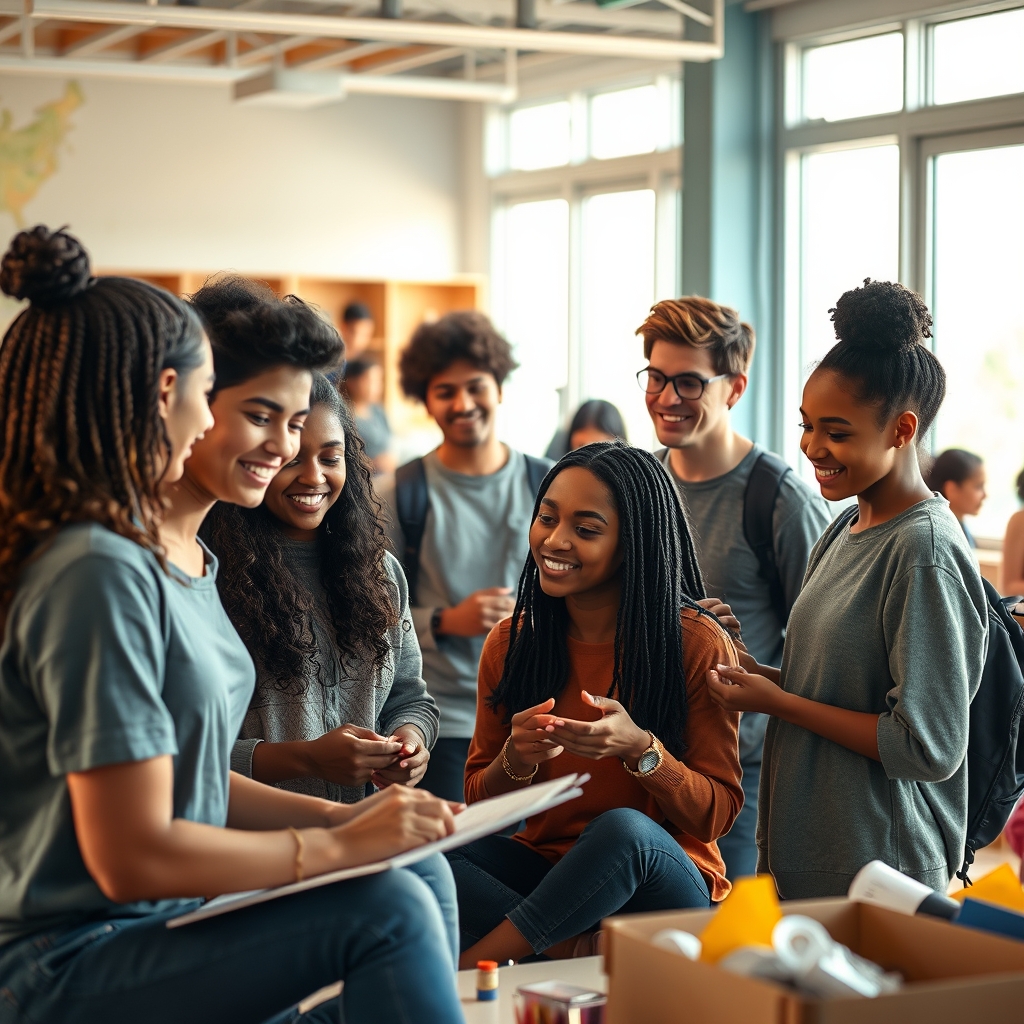
In a world that often prioritizes academic achievement and technical skills, the quiet yet profound impact of social-emotional learning (SEL) can be easily overlooked. Yet, it is this hidden curriculum—taught not through textbooks but through experiences, interactions, and intentional practices—that shapes the ethical, resilient, and empathetic leaders of tomorrow. For young people navigating the complexities of growing up, SEL is not just an add-on; it is the foundation upon which character, confidence, and collaboration are built.
The Core of Social-Emotional Learning
Social-emotional learning encompasses a range of skills that enable individuals to understand and manage their emotions, set and achieve positive goals, feel and show empathy for others, establish and maintain positive relationships, and make responsible decisions. These competencies—self-awareness, self-management, social awareness, relationship skills, and responsible decision-making—are not innate; they are cultivated through practice, reflection, and guidance. For young leaders, mastering these skills is akin to learning a new language, one that allows them to communicate not just with words, but with intention, compassion, and integrity.
Research has shown that SEL programs can lead to significant improvements in students’ emotional well-being, academic performance, and behavior. A study by the Collaborative for Academic, Social, and Emotional Learning (CASEL) found that students who participated in SEL programs demonstrated an 11% increase in academic achievement, a 22% improvement in social behaviors, and a 24% enhancement in emotional well-being. These statistics underscore the transformative power of SEL, not just as a tool for personal growth, but as a catalyst for creating more inclusive, supportive, and high-performing communities.
Empathy: The Bridge to Ethical Leadership
At the heart of SEL lies empathy—the ability to understand and share the feelings of others. For young leaders, empathy is not just a soft skill; it is the cornerstone of ethical decision-making and moral courage. When young people learn to see the world through the eyes of others, they develop a deeper sense of responsibility, fairness, and justice. Empathy-building activities, such as perspective-taking exercises, community service projects, or even simple acts of kindness, can help young leaders cultivate this essential trait.
Consider the story of a middle school student who noticed a classmate sitting alone during lunch every day. Instead of ignoring the situation or assuming it was none of her business, she chose to sit with him, sparking a friendship that not only enriched both of their lives but also inspired others in the school to reach out to those who might feel isolated. This small act of empathy created a ripple effect, fostering a more inclusive and compassionate school culture. Stories like these illustrate how empathy can transform individuals and communities, one interaction at a time.
Grit and Perseverance: The Fuel for Resilience
While empathy provides the moral compass for young leaders, grit and perseverance equip them with the resilience to navigate challenges and setbacks. Grit, defined by psychologist Angela Duckworth as passion and perseverance for long-term goals, is a critical predictor of success. Unlike talent or intelligence, which are often seen as fixed traits, grit is a skill that can be developed through deliberate practice and a growth mindset.
For young people, building grit might involve setting small, achievable goals, reflecting on failures as opportunities for growth, or practicing self-compassion when things don’t go as planned. For example, a high school student who fails a math test might initially feel discouraged, but by reframing the experience as a chance to learn and improve, they can develop the resilience needed to persist. Over time, these small moments of perseverance accumulate, shaping a mindset that views challenges not as obstacles, but as stepping stones to success.
Teamwork and Collaboration: The Power of Collective Strength
No leader succeeds in isolation. The ability to work effectively with others, to listen, communicate, and collaborate, is a hallmark of strong leadership. Social-emotional learning emphasizes the importance of teamwork and collaboration, teaching young people how to build trust, resolve conflicts, and leverage the strengths of diverse groups. Activities such as group projects, team sports, or peer mentoring programs can provide valuable opportunities for young leaders to practice these skills in real-world settings.
One powerful example of collaboration in action is the story of a group of high school students who came together to address food insecurity in their community. Through brainstorming sessions, role assignments, and regular check-ins, they organized a food drive that collected thousands of pounds of donations for local families. Along the way, they learned the value of active listening, compromise, and shared responsibility—skills that will serve them well in any future endeavor. By working together, they not only achieved their goal but also strengthened their bonds and deepened their sense of purpose.
Mindful Leadership: The Art of Presence and Intention
In a fast-paced world filled with distractions, the ability to lead with mindfulness—being fully present, aware, and intentional—is a rare and valuable skill. Mindful leadership practices, such as meditation, deep breathing exercises, or reflective journaling, can help young leaders cultivate focus, emotional regulation, and self-awareness. These practices enable them to respond to challenges with clarity and composure, rather than reacting impulsively or out of frustration.
For instance, a student council president who practices mindfulness might take a few deep breaths before a meeting to center themselves, ensuring they listen actively to their peers and respond thoughtfully to their concerns. Over time, this practice of mindful leadership can foster a culture of respect, trust, and open communication within the group. By modeling presence and intention, young leaders can inspire others to do the same, creating a ripple effect of mindfulness that extends beyond the classroom or team.
As young people grow and develop, the skills they cultivate through social-emotional learning become the invisible threads that weave together their character, their relationships, and their ability to lead with integrity. These skills are not just tools for personal success; they are the building blocks of a more compassionate, resilient, and ethical society. By embracing the hidden curriculum of SEL, young leaders can navigate the complexities of life with confidence, empathy, and a deep sense of purpose, knowing that their actions today will shape the world of tomorrow.



