
The Gentle Revolution: How Flexible and Comfortable Learning Spaces Foster Mindful Academic Growth
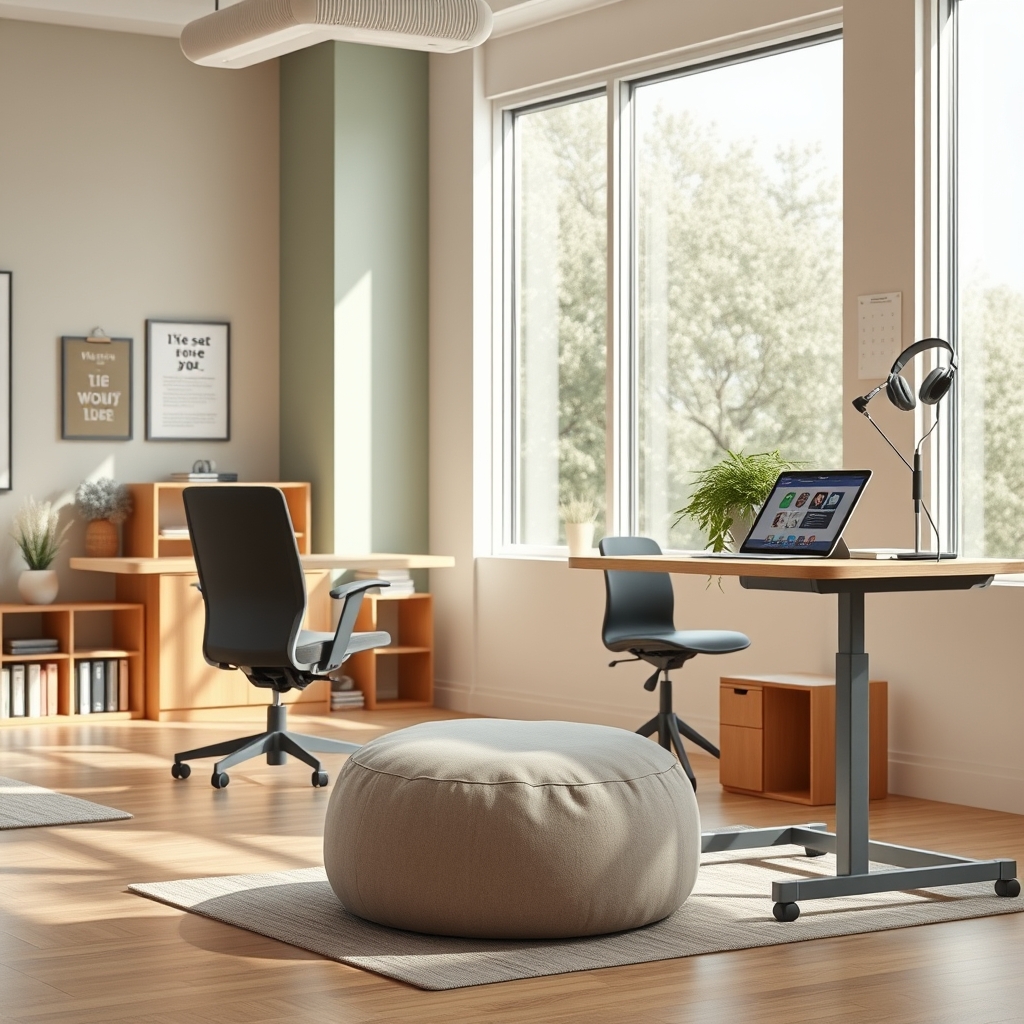
In an era where education transcends traditional boundaries, the spaces we learn in have evolved from rigid, one-size-fits-all classrooms to dynamic environments tailored to individual needs. The shift toward flexible learning environments and comfortable learning spaces is not just a trend—it’s a gentle revolution in how we approach education. By prioritizing student wellness practices and mindful study routines, we create atmospheres where focus, creativity, and well-being thrive.
The Foundation of Flexibility
Flexibility in learning spaces is about more than just movable furniture. It’s about designing environments that adapt to the learner, not the other way around. Adaptive classroom design allows students to choose how and where they engage with material—whether seated at an ergonomic desk setup, sprawled on a cozy floor cushion, or standing at a height-adjustable table. This autonomy reduces physical strain and mental fatigue, making learning a more intuitive and enjoyable process.
Research shows that environments with multiple seating options and flexible layouts can improve concentration and retention. When students feel physically comfortable, their minds are free to absorb information without the distraction of discomfort. This is the essence of low-stress education: a space where the body is at ease, and the mind is primed for growth.
The Role of Comfort in Cognitive Performance
Comfort is often underestimated in its impact on academic performance. A cozy study setup isn’t just about aesthetics—it’s about creating a relaxed learning atmosphere that signals safety and focus to the brain. Soft lighting, warm textures, and even the scent of a room can influence mood and productivity. For instance, natural light has been linked to improved alertness, while dimmer, warmer lighting can create a calming effect ideal for deep concentration.
Incorporating elements like ergonomic chairs, footrests, or even a small plant can transform a sterile study space into a positive learning space. These details may seem minor, but they contribute to a holistic sense of well-being, reducing stress and making study sessions feel less like a chore and more like a nurturing experience.
Sensory Considerations for Deeper Focus
For many students, sensory input can make or break their ability to focus. Sensory-friendly classrooms are designed to minimize distractions and overload, whether through noise-reducing materials, neutral color palettes, or designated quiet zones. These spaces are particularly beneficial for neurodivergent learners, who may be more sensitive to environmental stimuli, but they enhance the experience for all students by fostering a stress-free studying environment.
Simple adjustments, like using noise-canceling headphones or providing fidget tools, can make a significant difference. The goal is to create a space where students can regulate their sensory input, allowing them to engage fully with their work without feeling overwhelmed.
Balancing Structure and Spontaneity
While flexibility is key, structure still plays a vital role in effective learning. Flexible study schedules allow students to align their work with their natural rhythms—whether they’re early birds or night owls—while still maintaining a sense of routine. This balance prevents burnout and ensures that learning remains sustainable over time.
For example, a student might start their day with a focused study session in a quiet corner, then transition to a collaborative space for group work, and end with a reflective journaling session in a cozy nook. This variety keeps the mind engaged and prevents the monotony that can lead to disengagement. It’s about creating a balanced academic life, where productivity and well-being coexist harmoniously.
The Rise of Hybrid Comfort
The rise of hybrid learning comfort has further emphasized the need for adaptable spaces. As more students split their time between home and school, their study environments must be equally supportive in both settings. A comfortable online class setup at home should mirror the thoughtfulness of a physical classroom, with attention to ergonomics, lighting, and minimal distractions.
Parents and educators can support this by encouraging students to personalize their spaces—whether it’s adding a favorite blanket, a motivational poster, or a small desk organizer. These personal touches make the space feel uniquely theirs, fostering a sense of ownership and motivation.
Mindfulness as the Core of Modern Learning
At the heart of this revolution is mindfulness—the practice of being fully present in the moment. A mindful study routine isn’t just about the physical space; it’s about cultivating habits that honor the learning process. This might include taking short breaks to stretch, practicing deep breathing before a study session, or setting intentions for what they hope to achieve.
Mindfulness also extends to how we interact with technology. In a world of constant notifications and digital distractions, creating a low-stress education environment means setting boundaries—like designating tech-free zones or using apps that limit screen time. These small acts of intentionality can transform a chaotic study session into a focused, fulfilling experience.
The spaces we learn in shape not just our academic outcomes but our overall well-being. By embracing flexibility, comfort, and mindfulness, we create environments that nurture the whole student—body, mind, and spirit. These spaces don’t demand perfection; they invite presence, curiosity, and a love for learning that extends far beyond the classroom. Whether at home, in a traditional school, or somewhere in between, the gentle revolution of comfortable learning spaces is here to stay, reminding us that education should always feel like a place of growth, not a source of stress.



