
The Unseen Bridge: How Teamwork and Social-Emotional Learning Build Confident Young Leaders
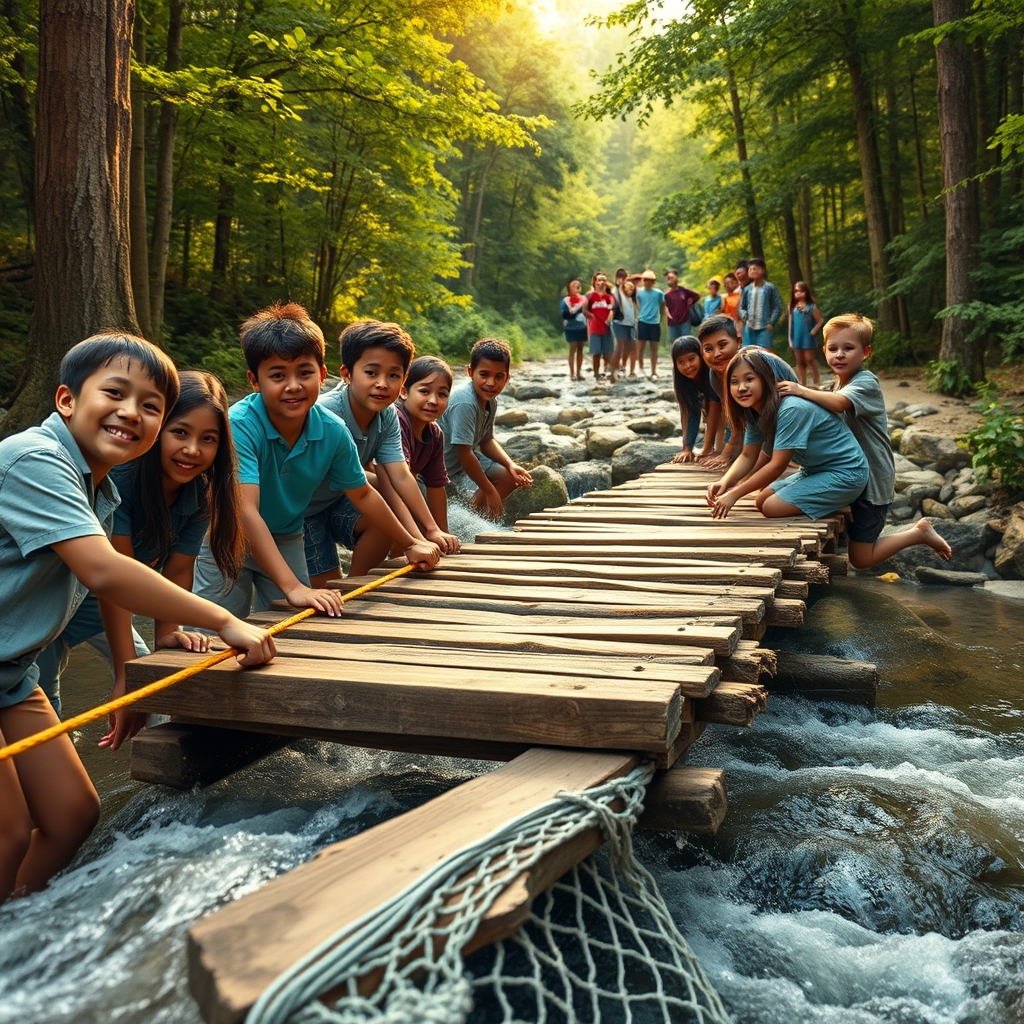
Imagine a group of young students standing at the edge of a wide, rushing river. Each holds a single plank of wood—too short to span the distance alone. Some hesitate, unsure of their strength. Others look around, searching for a way forward. Then, one student steps forward and lays their plank down, inviting others to do the same. Together, they create a bridge strong enough to cross. This is the essence of teamwork and social-emotional learning (SEL): the understanding that individual strengths, when combined with empathy, collaboration, and resilience, can achieve what once seemed impossible.
The Foundation of Connection
At the heart of youth leadership development lies the ability to connect—not just with ideas, but with people. Social-emotional learning provides the tools to navigate these connections with intention. It teaches young leaders to recognize their own emotions, manage them effectively, and extend that awareness to others. When a student learns to pause before reacting in frustration or to listen actively when a peer shares an idea, they are not just practicing kindness; they are building the emotional scaffolding for effective teamwork.
Research consistently shows that SEL programs improve classroom behavior, reduce emotional distress, and enhance academic performance. But beyond the metrics, SEL fosters something deeper: a sense of belonging. When young people feel seen, heard, and valued, they are more likely to contribute, take risks, and lead with confidence. This is where the bridge begins—not with grand gestures, but with small, consistent acts of emotional intelligence.
The Alchemy of Collaboration
Teamwork is often mistaken for mere cooperation, but true collaboration is an art. It requires vulnerability, adaptability, and a willingness to embrace diverse perspectives. For young leaders, this means moving beyond the idea of “winning” or “being right” and instead focusing on collective growth. It’s the difference between a group project where one student dominates and one where every voice is heard, where conflicts are resolved with curiosity rather than defensiveness.
One powerful way to cultivate this skill is through structured empathy-building activities. For example, a simple exercise called “The Perspective Walk” asks students to pair up and take turns leading each other blindfolded through a space. The leader must communicate clearly and compassionately, while the follower learns to trust and listen. Afterward, they reflect on how it felt to rely on someone else and how it felt to be responsible for another’s safety. These moments of shared vulnerability lay the groundwork for stronger, more resilient teams.
From Conflict to Growth
No team is without conflict, and that’s not a flaw—it’s an opportunity. The way young leaders handle disagreements can either fracture relationships or strengthen them. Teaching conflict resolution skills early equips them with the tools to navigate these moments constructively. One effective technique is the “I Feel, I Need” framework, where students express their emotions and needs without blame. For instance, instead of saying, “You never listen to me,” a student might say, “I feel frustrated when I’m interrupted. I need a chance to finish my thoughts.” This shift in language fosters mutual respect and opens the door to solutions.
Another key aspect of conflict resolution is reframing challenges as shared problems. When a group encounters an obstacle, asking, “How can we solve this together?” shifts the focus from individual fault to collective problem-solving. This mindset not only resolves immediate issues but also builds mental toughness—the ability to persist in the face of adversity without losing sight of the bigger picture.
The Role of Self-Discipline in Teamwork
While teamwork thrives on connection, it also demands self-discipline. The ability to regulate one’s emotions, stay focused, and follow through on commitments is what transforms a group of individuals into a cohesive unit. For young leaders, self-discipline is not about rigid control but about aligning actions with values. It’s the quiet determination to show up prepared, to listen when it’s hard, and to hold oneself accountable even when no one is watching.
One practical way to develop this skill is through “kindness challenges” that encourage consistency. For example, a class might commit to a 30-day challenge where each student performs one small act of kindness daily—holding the door for someone, offering help without being asked, or simply checking in on a peer. Over time, these habits reinforce self-discipline while also strengthening the bonds within the group. The result is a culture where kindness and responsibility become second nature.
Building Confidence Through Contribution
Confidence in leadership doesn’t come from titles or accolades; it comes from knowing one’s contributions matter. When young people see the impact of their actions—whether it’s a well-executed team project, a conflict resolved with empathy, or a shared goal achieved—they develop a sense of agency. This is why teamwork is such a powerful vehicle for confidence-building: it provides tangible proof that their efforts make a difference.
Exercises like “Strengths Mapping” can help students recognize and leverage their unique abilities within a team. In this activity, each student identifies their top three strengths (e.g., creativity, organization, empathy) and shares how they can use them to support the group. Not only does this boost individual confidence, but it also helps teams distribute tasks more effectively, ensuring everyone plays to their strengths.
As young leaders grow in their ability to collaborate, they begin to see challenges not as barriers but as invitations to innovate. The river that once seemed impossible to cross becomes a reminder of what they can achieve together. The bridge they build is more than a path—it’s a testament to the power of connection, resilience, and shared purpose. And with each step forward, they carry the lessons of teamwork and social-emotional learning into every aspect of their lives, shaping not just their own futures, but the world around them.



