
The Flashcard Revolution: How Digital Note-Taking and Spaced Repetition Can Supercharge Your Learning
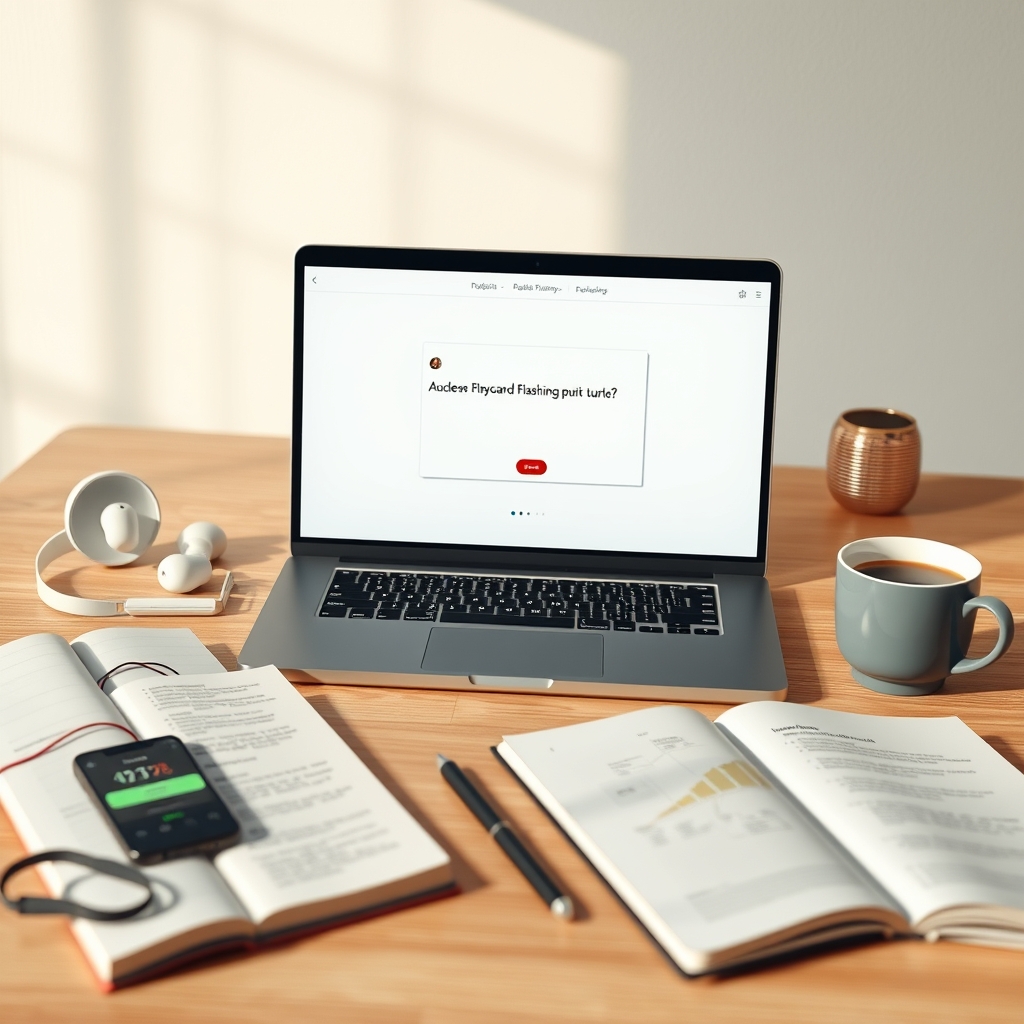
In an era where information is abundant and attention spans are shrinking, students and lifelong learners alike are searching for ways to retain knowledge efficiently. Traditional study methods, like passive rereading or cramming, often fall short when it comes to long-term retention. Enter the dynamic duo of digital note-taking and the spaced repetition method—a powerful combination that leverages technology and cognitive science to transform how we learn. At the heart of this revolution are flashcards, a tool that has evolved far beyond index cards and highlighters.
The Science Behind Spaced Repetition
Spaced repetition is not a new concept. It was first introduced by psychologist Hermann Ebbinghaus in the late 19th century through his forgetting curve theory, which demonstrated that information is forgotten over time unless it is actively reviewed. The key to combating this natural decline in memory is to review material at increasing intervals. For example, you might revisit a concept after one day, then three days, then a week, and so on. This method strengthens neural pathways, making it easier to recall information when you need it most—like during an exam or a presentation.
What makes spaced repetition so effective is its alignment with how the brain naturally processes and stores information. Unlike cramming, which overloads short-term memory, spaced repetition encourages cognitive retention by reinforcing learning over time. It’s the difference between building a sandcastle that washes away with the tide and constructing a brick wall that stands firm for years.
Digital Flashcards: The Modern Upgrade
While traditional flashcards have their merits, digital flashcard systems take the concept to the next level. Platforms like Anki, Quizlet, and Brainscape integrate spaced repetition algorithms to optimize review sessions. These tools analyze your performance—tracking which cards you struggle with and which ones you’ve mastered—and adjust the timing of reviews accordingly. The result? A personalized study schedule that maximizes efficiency and minimizes wasted time.
Digital flashcards also offer unparalleled convenience. You can create, edit, and review cards on your phone, tablet, or computer, making it easy to study on the go. Many platforms allow you to share decks with peers or access pre-made decks on a wide range of subjects, from medical terminology to foreign languages. This collaborative aspect not only saves time but also fosters peer study groups, where learners can quiz each other and reinforce knowledge through discussion.
How to Create Effective Digital Flashcards
Not all flashcards are created equal. To get the most out of digital flashcards, follow these best practices:
- Keep it concise: Each card should focus on a single concept or question. Avoid long paragraphs or complex explanations. If a card feels overwhelming, break it into smaller, more digestible parts.
- Use active recall: Instead of passively reading the answer, actively try to recall it before flipping the card. This strengthens memory retention by engaging your brain in the retrieval process.
- Incorporate images and diagrams: Visual aids can enhance understanding, especially for complex topics. Many digital flashcard apps support images, making it easy to include diagrams, charts, or even memes to make learning more engaging.
- Add audio: For language learners or subjects that involve pronunciation, audio clips can be a game-changer. Hearing the correct pronunciation or a key term in context reinforces auditory learning.
- Review regularly: Consistency is key. Set aside dedicated time each day to review your flashcards, even if it’s just for 10-15 minutes. Over time, this habit will pay off in improved recall and confidence.
Combining Flashcards with Other Study Techniques
While digital flashcards and spaced repetition are powerful on their own, they become even more effective when combined with other active learning strategies. For example, you can use the Pomodoro Technique to structure your study sessions, breaking them into focused 25-minute intervals followed by short breaks. During each Pomodoro, dedicate a portion of the time to reviewing flashcards, then switch to another active learning method, like mind mapping or critical thinking exercises.
Mind mapping, in particular, pairs well with flashcards. While flashcards are great for memorizing facts, mind maps help you visualize connections between ideas. For instance, if you’re studying biology, you might create a mind map of cellular processes and then use flashcards to drill specific terms or steps within those processes. This dual approach ensures you understand both the big picture and the finer details.
Overcoming Common Challenges
Despite their benefits, digital flashcards and spaced repetition can present challenges. One common issue is the temptation to procrastinate or skip review sessions. To combat this, set reminders on your phone or use productivity apps like Todoist or Notion to keep yourself accountable. Another challenge is the initial time investment required to create flashcards. However, this effort pays off in the long run, as you’ll spend less time relearning material later.
It’s also important to avoid overloading your flashcard decks. Focus on quality over quantity—prioritize the most important concepts and review them consistently. If you find yourself struggling with a particular card, don’t just keep flipping it. Take the time to understand why you’re struggling and adjust the card or seek additional resources to clarify the concept.
Tools to Get Started
Ready to dive into the world of digital flashcards and spaced repetition? Here are some of the best tools to get started:
- Anki: A highly customizable flashcard app with a robust spaced repetition algorithm. It’s free on desktop and Android, with a paid iOS version.
- Quizlet: A user-friendly platform with pre-made flashcard decks and interactive games. It’s great for collaborative learning and offers both free and premium plans.
- Brainscape: Focuses on confidence-based repetition, allowing you to rate how well you know each card. It’s particularly popular among medical and language students.
- RemNote: Combines note-taking and flashcards into one app, making it ideal for students who want to integrate their study materials seamlessly.
- Memrise: Specializes in language learning but can be used for other subjects. It incorporates spaced repetition and offers engaging video clips of native speakers.
As you explore these tools, remember that the goal is not just to memorize information but to truly understand and apply it. Digital flashcards and spaced repetition are not magic bullets—they require consistency, effort, and a willingness to engage actively with the material. When used correctly, however, they can transform your study sessions from tedious chores into dynamic, efficient, and even enjoyable experiences. The key is to start small, stay consistent, and let the science of learning work in your favor. Over time, you’ll find that what once seemed like an insurmountable amount of information becomes manageable, even masterable, as your brain adapts to this smarter way of learning.