Holistic Curriculum Standards: Beyond Test Scores and Rankings
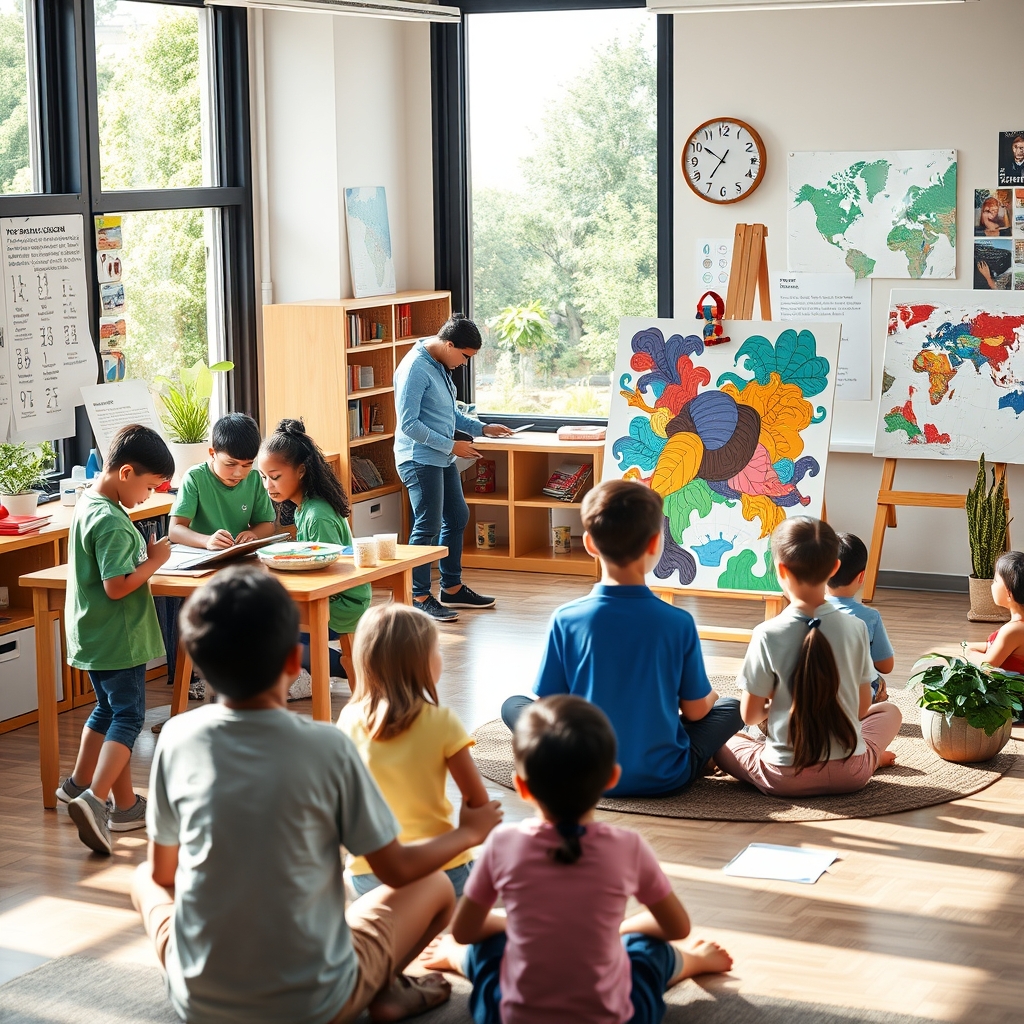
In an era where standardized test scores and school rankings dominate the conversation around education, a quiet revolution is taking place in classrooms around the world. Educators, parents, and policymakers are increasingly recognizing that true learning extends far beyond the confines of multiple-choice exams and rote memorization. A holistic curriculum—one that nurtures creativity, critical thinking, emotional intelligence, and social responsibility—is not just a luxury but a necessity for preparing students to thrive in an unpredictable future. The question is no longer whether we can afford to prioritize these elements, but whether we can afford not to.
The Limitations of a Test-Centric Approach
For decades, education systems have been shaped by the belief that academic success can be measured through standardized tests. While these assessments provide a snapshot of certain skills, they often fail to capture the full spectrum of a student’s abilities. A child who excels in math or reading may struggle with collaboration, empathy, or adaptability—skills that are equally, if not more, vital in the real world. Research has shown that an overemphasis on test performance can lead to narrowed curricula, increased student stress, and a diminished love for learning. When schools prioritize test preparation over exploration and discovery, they risk producing graduates who are proficient in taking exams but ill-equipped to navigate the complexities of life.
The Pillars of a Holistic Curriculum
A holistic curriculum is built on the understanding that education should address the intellectual, emotional, social, and physical development of every student. This approach is not about abandoning academic rigor but about expanding the definition of what it means to be educated. Key pillars of this model include:
1. Arts Integration
The arts are often the first casualties of budget cuts and test-driven priorities, yet they are essential for fostering creativity, self-expression, and cultural awareness. Schools that integrate visual arts, music, theater, and dance into their curricula report higher levels of student engagement, improved problem-solving skills, and even enhanced performance in core subjects like math and science. For example, a study by the National Endowment for the Arts found that students who participate in arts programs are four times more likely to be recognized for academic achievement. The arts teach students to think outside the box, embrace ambiguity, and appreciate diverse perspectives—skills that are invaluable in an increasingly interconnected world.
2. Critical Thinking and Inquiry-Based Learning
In a world overflowing with information, the ability to think critically is more important than ever. A holistic curriculum encourages students to ask questions, challenge assumptions, and seek evidence rather than passively absorb facts. Inquiry-based learning, where students explore real-world problems and develop solutions, cultivates curiosity and resilience. For instance, schools like High Tech High in California have adopted project-based learning models that require students to collaborate on interdisciplinary projects, such as designing sustainable housing or creating documentaries on social issues. These experiences not only deepen academic understanding but also prepare students to tackle the challenges of the 21st century.
3. Social-Emotional Learning (SEL)
Academic achievement is deeply intertwined with emotional well-being. Social-emotional learning (SEL) equips students with the tools to manage emotions, build healthy relationships, and make responsible decisions. Programs like the Collaborative for Academic, Social, and Emotional Learning (CASEL) have demonstrated that SEL can improve classroom behavior, reduce anxiety and depression, and boost academic performance. Schools that prioritize SEL create environments where students feel safe, valued, and empowered to take risks. For example, the RULER program developed by Yale University teaches students to recognize and regulate their emotions, fostering a school culture of empathy and respect. When students feel emotionally secure, they are more likely to engage deeply with their learning and develop a lifelong love for education.
4. Physical and Mental Well-Being
A holistic curriculum recognizes that a healthy body and mind are the foundation of effective learning. Physical education, mindfulness practices, and access to mental health resources are not optional extras but essential components of a well-rounded education. Schools that incorporate yoga, meditation, or outdoor learning report reductions in stress and improvements in concentration and self-regulation. For example, the MindUP program, used in schools across the globe, teaches students mindfulness techniques that enhance focus and emotional resilience. By prioritizing well-being, schools send a powerful message: that students’ health and happiness matter as much as their academic achievements.
Schools Leading the Way
Around the world, innovative schools are proving that a holistic curriculum is not only possible but transformative. Finland’s education system, often cited as a global model, emphasizes play, creativity, and student well-being over standardized testing. Finnish students consistently rank among the highest in international assessments, not because they spend more time on test preparation, but because they are encouraged to explore, question, and grow in a supportive environment. Similarly, the Blue School in New York City integrates arts, mindfulness, and project-based learning into its curriculum, producing graduates who are not only academically proficient but also emotionally intelligent and socially responsible.
In Singapore, the Ministry of Education’s “Learn for Life” movement shifts the focus from academic results to holistic development, encouraging schools to nurture curiosity, resilience, and a love for learning. Meanwhile, in the United States, the EL Education model combines rigorous academics with character development and real-world projects, demonstrating that high standards and holistic growth are not mutually exclusive. These examples show that when schools prioritize the whole child, academic success follows naturally.
The Role of Teachers and Parents
Implementing a holistic curriculum requires more than just policy changes; it demands a cultural shift in how we view education. Teachers play a pivotal role in this transformation, as they are the ones who bring the curriculum to life in the classroom. Professional development that focuses on student-centered teaching, trauma-informed practices, and culturally responsive pedagogy can empower educators to create inclusive and engaging learning environments. For instance, the Teach for America organization has incorporated SEL training into its teacher preparation programs, equipping new educators with the skills to support students’ emotional and academic growth.
Parents, too, have a critical role to play. By advocating for arts programs, supporting social-emotional learning initiatives, and encouraging schools to prioritize well-being, parents can help shift the narrative around what constitutes a successful education. When parents and educators work together, they can create a powerful alliance that champions the holistic development of every child.
As we look to the future, it is clear that the schools that will thrive are those that recognize education as more than a means to an end. They will be the ones that see students not as test-takers but as whole human beings with unique talents, passions, and potential. By embracing a holistic curriculum, we can move beyond the narrow confines of test scores and rankings and create learning environments where every student has the opportunity to grow, explore, and discover their place in the world. The journey toward holistic education is not without its challenges, but the rewards—a generation of creative, compassionate, and resilient individuals—are well worth the effort. In the end, the true measure of a school’s success lies not in the numbers it produces, but in the lives it transforms.