
The Science of Cozy: How Flexible Learning Environments Boost Student Wellness
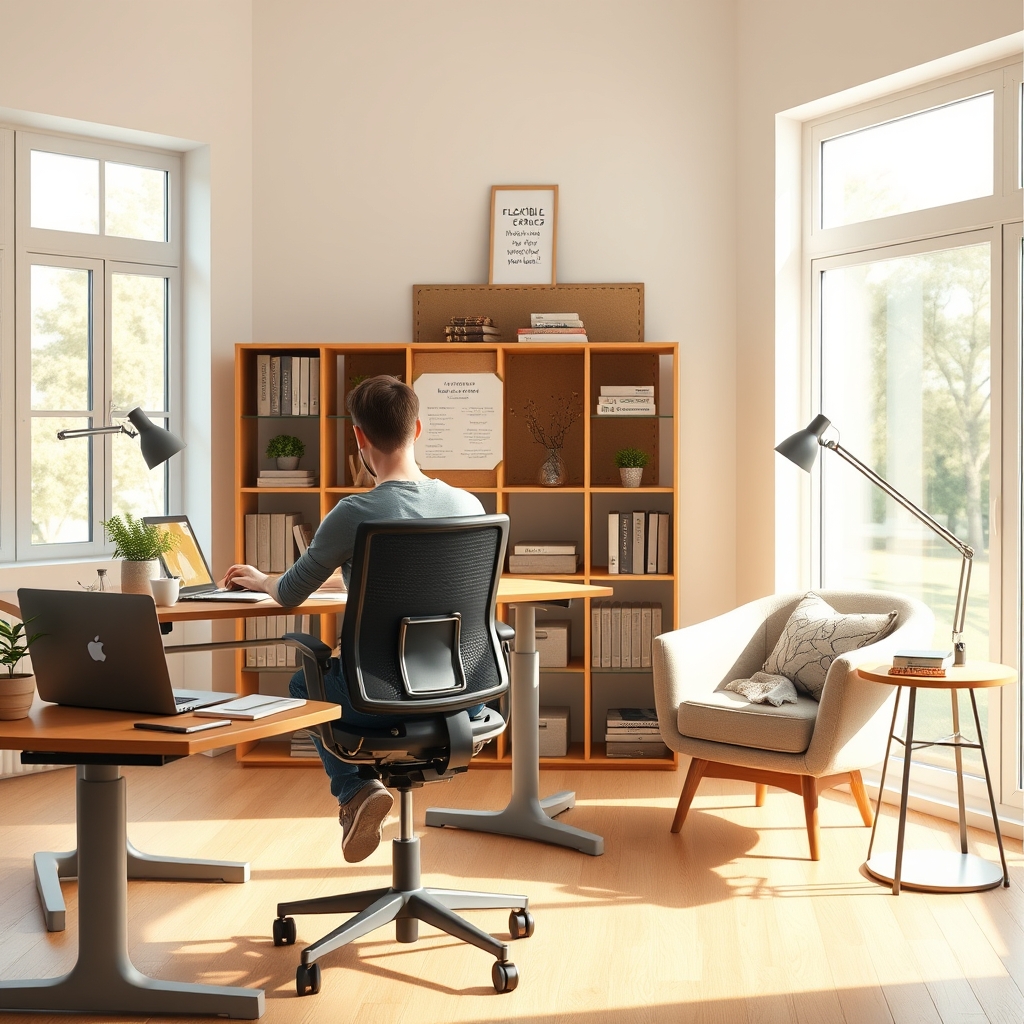
Imagine stepping into a space where every detail—from the angle of your chair to the soft hum of background music—is designed to make learning feel effortless. This isn’t a luxury; it’s the foundation of a flexible learning environment, where comfort and productivity coexist harmoniously. As education evolves beyond traditional classrooms, students and educators alike are discovering that the right setup can transform stress into focus, fatigue into energy, and distraction into deep concentration. The secret? A blend of ergonomic design, sensory awareness, and mindful routines that prioritize well-being as much as academic success.
The Psychology Behind Comfortable Learning Spaces
Research in environmental psychology reveals that our surroundings directly impact cognitive performance. A cluttered desk can overwhelm the brain, while a thoughtfully arranged study space reduces mental load, allowing for better information retention. Ergonomic study spaces go beyond aesthetics—they’re engineered to support the body’s natural posture, minimizing physical strain during long study sessions. For example, adjustable chairs and desks that accommodate different heights prevent slouching, which is linked to reduced oxygen flow and increased fatigue. But comfort isn’t just physical; it’s emotional too. Warm lighting, natural elements like plants, and even the scent of essential oils can create a relaxed learning atmosphere that eases anxiety and fosters creativity.
Designing for Flexibility: Adaptive Classrooms and Hybrid Learning
The rise of hybrid learning comfort has made flexibility non-negotiable. Students today toggle between in-person lectures, online discussions, and independent study, often within the same day. An adaptive classroom design caters to these shifting needs by offering modular furniture, quiet zones for focused work, and collaborative areas for group projects. At home, a cozy study setup might include a standing desk for active learning, noise-canceling headphones for sensory control, or a plush rug to define the space. The goal is to create an environment that adapts to the learner, not the other way around. Schools and universities are taking note, with some even introducing sensory-friendly classrooms equipped with dimmable lights, fidget tools, and calming colors to support neurodivergent students.
Mindful Study Routines: The Missing Link in Student Wellness
Even the most ergonomic desk setup won’t maximize productivity if it’s paired with a chaotic routine. Mindful study routines bridge the gap between comfort and efficiency by incorporating intentional breaks, hydration reminders, and movement into the learning process. The Pomodoro Technique—25 minutes of focused work followed by a 5-minute break—is a classic example, but modern students are personalizing it further. Some use apps to track screen time and eye strain, while others schedule