
Designing a Stress-Free Study Space: The Art of Comfortable and Mindful Learning
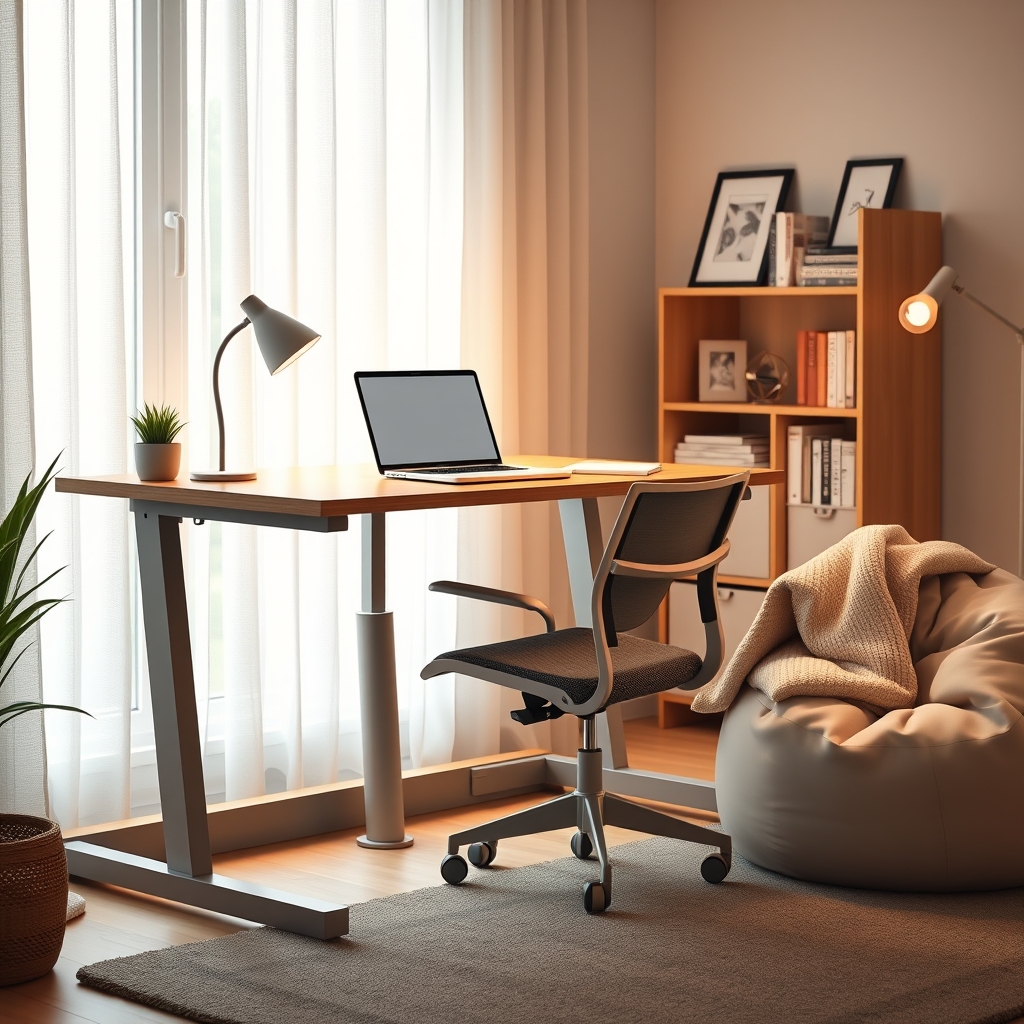
Creating an environment that nurtures focus, creativity, and well-being is essential for students of all ages. Whether you’re attending online classes, studying for exams, or diving into self-paced learning, the space around you plays a pivotal role in your productivity and mental health. A well-designed study area doesn’t just enhance efficiency—it transforms learning into a more enjoyable and sustainable experience. The key lies in blending ergonomic principles, sensory-friendly elements, and a touch of personal warmth to craft a space that feels both inviting and functional.
The Foundation: Ergonomic Study Spaces
Ergonomics isn’t just a buzzword—it’s the backbone of a comfortable and health-conscious study setup. Poor posture, awkward seating, and improper desk heights can lead to physical strain, fatigue, and even long-term discomfort. Start by investing in an adjustable chair that supports your spine’s natural curve. Your feet should rest flat on the floor, and your knees should align with your hips. If you’re working at a desk, ensure it’s at a height where your elbows can bend at a 90-degree angle when typing or writing.
For those who prefer a more dynamic setup, consider a standing desk or a desk converter that allows you to alternate between sitting and standing. This flexibility can reduce the risks associated with prolonged sitting, such as back pain and poor circulation. Don’t overlook the importance of monitor placement, either. The top of your screen should be at or slightly below eye level to prevent neck strain. If you’re using a laptop, a separate keyboard and mouse can help maintain a more natural posture.
Lighting: The Unsung Hero of Productivity
Lighting can make or break your study experience. Natural light is ideal—it boosts mood, reduces eye strain, and enhances focus. Position your desk near a window to take advantage of daylight, but be mindful of glare on screens. If natural light isn’t an option, opt for warm, adjustable LED lighting that mimics daylight. Avoid harsh overhead lights, as they can create shadows and cause eye fatigue. A desk lamp with dimmable settings is a great addition, allowing you to customize brightness based on the time of day and your tasks.
Flexible Learning Environments: Adapting to Your Needs
Gone are the days when a study space had to be rigid and unchanging. Today’s learners thrive in flexible environments that adapt to their evolving needs. A modular setup—think movable furniture, foldable desks, or even floor cushions—can transform a single space into a multi-functional hub. For instance, a cozy corner with a bean bag chair might be perfect for reading, while a standing desk could be ideal for active tasks like brainstorming or reviewing notes.
Flexibility also extends to the tools you use. Wireless technology, such as Bluetooth keyboards, noise-canceling headphones, and portable monitors, can help you create a clutter-free and adaptable workspace. If you’re sharing a space with others, consider using room dividers or bookshelves to create a sense of privacy and focus. The goal is to design a space that can shift seamlessly between solo study sessions, group projects, and even relaxation breaks.
Sensory-Friendly Elements: Engaging All Five Senses
A truly comfortable study space engages more than just your visual and physical senses. Incorporating sensory-friendly elements can enhance focus and reduce stress. Start with sound: white noise machines, soft instrumental music, or nature sounds can drown out distractions and create a calming atmosphere. If you prefer silence, noise-canceling headphones are a game-changer, especially in shared or noisy environments.
Touch is another sense to consider. Soft textures, like a plush rug or a cozy throw blanket, can make your space feel more inviting. Aromatherapy diffusers with scents like lavender, peppermint, or citrus can also boost mood and concentration. Even taste plays a role—keeping a water bottle and healthy snacks nearby ensures you stay hydrated and energized without disrupting your flow.
Mindful Study Routines: Balancing Productivity and Well-Being
A comfortable study space is only part of the equation. Pairing it with mindful study routines can help you maintain a balanced academic life. Start by setting clear boundaries between study time and relaxation. Use timers or apps to structure your sessions with the Pomodoro Technique—25 minutes of focused work followed by a 5-minute break. This approach prevents burnout and keeps your mind fresh.
Incorporate movement into your routine, too. Stretching, short walks, or even yoga poses can relieve tension and improve circulation. If you’re studying for long hours, set reminders to stand up, hydrate, and rest your eyes. Mindfulness practices, such as deep breathing or meditation, can also help you stay centered and reduce stress. Even a few minutes of mindfulness before a study session can sharpen your focus and enhance retention.
Personalizing Your Space: Making It Uniquely Yours
Your study space should reflect your personality and inspire you. Personal touches, like photos, artwork, or motivational quotes, can make the environment feel more welcoming. Plants are another great addition—they purify the air, add a touch of nature, and have been shown to reduce stress. Choose low-maintenance options like succulents or snake plants if you’re not naturally green-thumbed.
Color psychology can also play a role in shaping your mood. Soft blues and greens promote calmness and focus, while warmer tones like yellow or orange can energize and inspire creativity. Experiment with colors in your decor, whether through wall paint, furniture, or accessories, to create an atmosphere that aligns with your goals.
Ultimately, the perfect study space is one that evolves with you. It’s a blend of ergonomic design, sensory comfort, and personal expression—a sanctuary where learning feels less like a chore and more like a journey. By prioritizing comfort and mindfulness, you’re not just creating a space to study; you’re crafting an environment that supports your well-being, fuels your curiosity, and makes every learning moment count. Whether you’re tackling a challenging assignment or exploring a new subject, your study space should be a place where you feel empowered, relaxed, and ready to thrive.



