
Revolutionizing Education: How AI and Adaptive Learning Are Shaping the Future of Classrooms
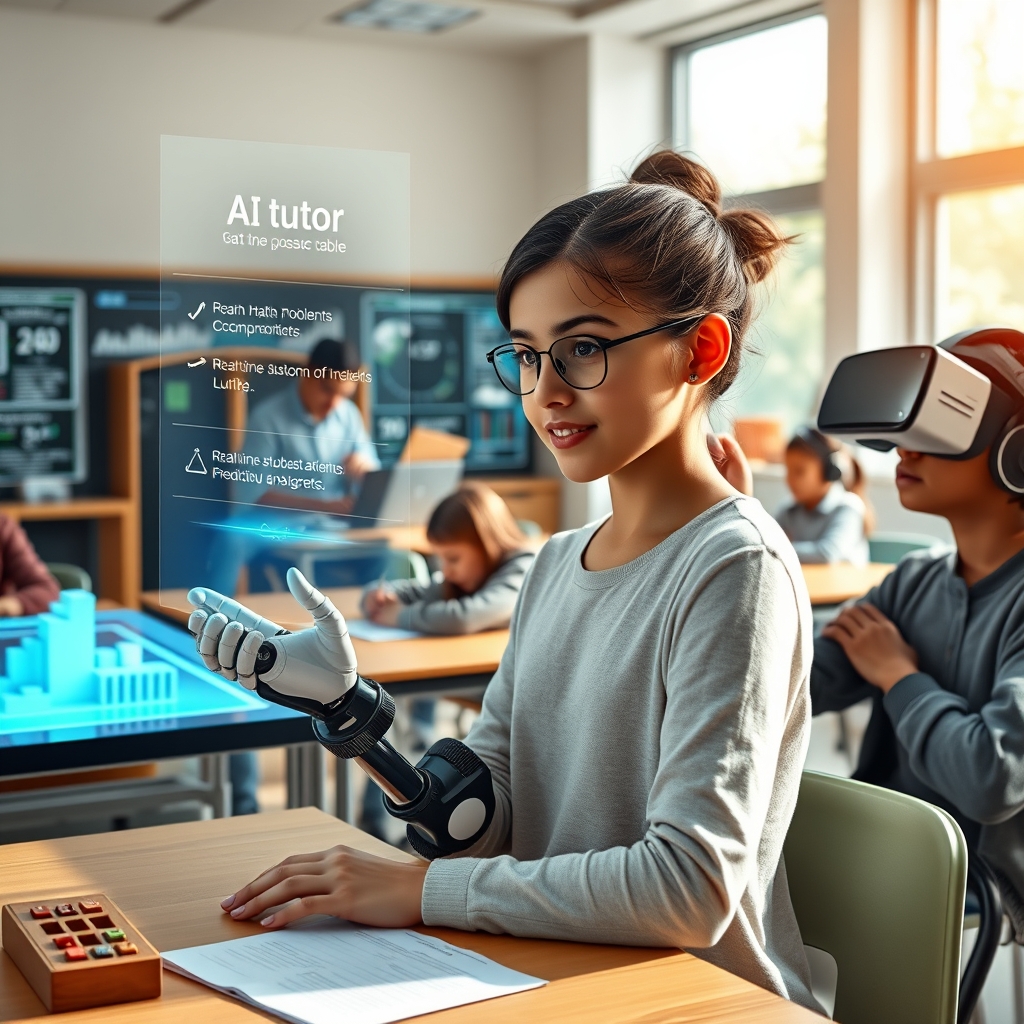
Education is undergoing a seismic shift, driven by rapid advancements in technology and a growing understanding of how students learn best. At the heart of this transformation is the integration of Artificial Intelligence in Education, which is redefining traditional pedagogical approaches and creating more dynamic, inclusive, and effective learning environments. From personalized learning systems to adaptive tutoring platforms, AI is not just a tool but a catalyst for a fundamental reimagining of how knowledge is acquired, processed, and applied.
The Rise of Personalized Learning Systems
One of the most significant contributions of AI to education is the development of personalized learning systems. These systems leverage data analytics and machine learning algorithms to tailor educational content to the unique needs, strengths, and weaknesses of individual students. Unlike the one-size-fits-all model of traditional classrooms, personalized learning ensures that each student progresses at their own pace, receiving targeted support where it’s needed most.
For example, platforms like Khan Academy and Duolingo use AI to adjust the difficulty of exercises in real-time, ensuring that students are neither bored by material that’s too easy nor overwhelmed by content that’s too challenging. This approach not only enhances engagement but also fosters a deeper understanding of the subject matter. By analyzing patterns in student performance, these systems can identify gaps in knowledge and suggest remedial actions, making learning a more efficient and enjoyable process.
Adaptive Tutoring: The Virtual Mentor
Building on the concept of personalized learning, adaptive tutoring platforms take the idea of individualized instruction a step further. These platforms act as virtual mentors, providing one-on-one guidance that mimics the support of a human tutor. AI-powered tutors like Carnegie Learning’s MATHia or ScribeSense use natural language processing (NLP) to interact with students, answer questions, and even provide emotional support by recognizing frustration or confusion in a student’s responses.
The beauty of adaptive tutoring lies in its ability to scale. While human tutors are limited by time and availability, AI tutors can support thousands of students simultaneously, making high-quality education accessible to learners regardless of their geographic location or socioeconomic status. This democratization of education is particularly impactful in underserved communities, where access to personalized instruction has historically been a challenge.
Blended Learning Models: Bridging the Gap Between Digital and Traditional Education
While AI and digital tools are powerful, they are most effective when integrated thoughtfully with traditional teaching methods. Blended learning models combine face-to-face instruction with online learning, creating a hybrid approach that leverages the strengths of both. In a blended classroom, teachers can use AI-driven insights to inform their instruction, while students benefit from the flexibility and interactivity of digital resources.
For instance, a teacher might use an AI-powered platform to assign pre-class readings or videos, freeing up in-person class time for discussions, group work, or hands-on activities. This flipped classroom model not only maximizes the use of classroom time but also encourages students to take ownership of their learning. By engaging with content independently before class, students arrive better prepared to participate in deeper, more meaningful discussions.
The Role of Gamification and Immersive Learning
Engagement is a critical factor in effective learning, and gamified learning environments have emerged as a powerful way to capture students’ attention. By incorporating game-like elements such as points, badges, leaderboards, and challenges, educators can make learning more interactive and motivating. Platforms like Classcraft and Kahoot! transform lessons into immersive experiences, where students are rewarded for their progress and encouraged to collaborate with peers.
Beyond gamification, immersive learning environments are pushing the boundaries of how students engage with content. Virtual reality (VR) and augmented reality (AR) technologies allow learners to explore historical events, conduct virtual science experiments, or even practice language skills in simulated real-world scenarios. These experiences not only make learning more engaging but also help students develop higher-order thinking skills, such as critical analysis, problem-solving, and creativity.
Inclusive Education: Breaking Down Barriers with Technology
One of the most profound impacts of educational technology integration is its potential to make education more inclusive. AI-powered tools can adapt content to meet the needs of students with disabilities, language barriers, or different learning styles. For example, text-to-speech software can assist students with dyslexia, while real-time translation tools can help non-native speakers access content in their preferred language.
Moreover, AI can help identify and address biases in educational materials, ensuring that curricula are representative and inclusive. By analyzing textbooks, lesson plans, and assessments, AI systems can flag content that may perpetuate stereotypes or exclude certain groups of students. This proactive approach to inclusive education ensures that all learners feel seen, valued, and empowered to succeed.
Predictive Analytics: Anticipating Student Needs
Another groundbreaking application of AI in education is predictive learning analytics, which uses data to forecast student performance and identify potential challenges before they arise. By analyzing factors such as attendance, engagement, and assessment scores, AI can predict which students are at risk of falling behind and recommend interventions to keep them on track.
For example, a university might use predictive analytics to identify students who are struggling in their first year and connect them with academic advisors or tutoring services. Similarly, K-12 schools can use these insights to tailor support for students with diverse learning needs, ensuring that no one slips through the cracks. This proactive approach not only improves academic outcomes but also fosters a more supportive and responsive learning environment.
The Future of Workforce Development
As the job market evolves, so too must the skills that students acquire in school. AI is playing a pivotal role in workforce development by helping educators align curricula with the demands of the modern economy. Through digital microcredentials and competency-based learning, students can demonstrate mastery of specific skills, making them more competitive in the job market.
Platforms like Coursera and LinkedIn Learning use AI to recommend courses and certifications based on a learner’s career goals and skill gaps. This personalized approach to workforce upskilling ensures that students are not just prepared for their first job but are equipped with the adaptability and lifelong learning skills needed to thrive in an ever-changing landscape.
As we look to the future, the integration of AI and adaptive learning technologies will continue to reshape education in ways we are only beginning to imagine. These tools are not replacing teachers but empowering them to focus on what they do best: inspiring, mentoring, and guiding students on their learning journeys. By embracing these innovations, we can create a more equitable, engaging, and effective education system that prepares all learners for the challenges and opportunities of the 21st century. The classroom of tomorrow is not a distant dream—it is being built today, one algorithm, one student, and one breakthrough at a time.



